
CREAM CHEESE SUGAR COOKIES

These cream cheese sugar cookies are a revelation for anyone who thinks they know sugar cookies. They take the classic, simple joy of a sugar cookie and elevate it with a subtle tang and an incredibly tender, melt-in-your-mouth texture, thanks to the addition of cream cheese in the dough itself. Whether you roll them in granulated sugar for a sparkly, minimalist look or top them with a luscious cream cheese frosting, they are utterly irresistible and stand out from their butter-only counterparts. Prepare for a new favorite that’s perfect for any occasion, from quiet afternoons with a cup of tea to festive holiday gatherings.

I remember the first time I made these for my husband, Mark. He’s always been a fan of classic sugar cookies, but he’s also a bit of a texture snob when it comes to baked goods. I’d been experimenting with different sugar cookie recipes, trying to find one that wasn’t too crisp or too cakey, but just right – soft, slightly chewy, and rich. When I pulled these out of the oven, their delicate scent filled the kitchen. He took a bite, eyes wide, and declared them “the best sugar cookies you’ve ever made.” From then on, they became a request for every family event, every potluck, and sometimes, just a Tuesday night when we needed a little comfort. They’re a little bit of magic, bringing that perfect balance of familiar sweetness and an unexpected depth that makes everyone ask for the recipe.

Why You’ll Love This cream-cheese-sugar-cookies

This recipe creates an incredibly soft, tender cookie that practically melts in your mouth, far beyond the standard sugar cookie experience. The cream cheese in the dough adds a delightful, subtle tang that perfectly balances the sweetness, making them uniquely flavorful. They’re surprisingly easy to make, even for novice bakers, with straightforward steps that yield impressive results every time. These cookies are wonderfully versatile; delicious plain, rolled in sugar, or dressed up with a simple glaze or a creamy cream cheese frosting. They are also incredibly sturdy yet delicate, making them perfect for gifting or sharing at gatherings where they’re sure to be a crowd-pleaser. Plus, the dough holds its shape beautifully when baked, ensuring your cut-outs look pristine.

Behind the Recipe

What I’ve really learned with these cookies is the importance of letting your ingredients shine, especially the cream cheese and good quality butter. The biggest trip-up I see people make is not letting the butter and cream cheese soften sufficiently; cold ingredients lead to a lumpy batter and a less homogenous dough. Overworking the dough is another common mistake that can result in tough cookies, so mix just until combined. The chilling step, while it feels like a hurdle, is non-negotiable for shape retention and flavor development. And for those small touches that elevate them? A really good vanilla extract makes all the difference, and don’t skimp on a little sprinkle of sea salt if you’re going for a plain cookie; it really makes the flavors pop.

Shopping Tips

  • Dairy: Opt for full-fat cream cheese in block form, not the spreadable tub variety, as it has less water and a firmer consistency crucial for the dough’s texture.
  • Fats & Oils: Use unsalted butter so you can control the salt content. If using salted, reduce the added salt in the recipe by about a quarter teaspoon.
  • Baking Basics: All-purpose flour is key here; don’t substitute with self-rising or bread flour as it will alter the cookie’s delicate texture.
  • Flavorings: A good quality vanilla extract (pure, not imitation) makes a huge difference in the overall taste of these cookies. Consider a brand you trust.
  • Sweeteners: Granulated sugar for the dough and powdered sugar for the frosting are essential. Check for freshness to avoid clumps.

Prep Ahead Ideas

The cookie dough can be made up to 3 days in advance and stored tightly wrapped in the refrigerator. This is a fantastic way to break up the baking process. You can also roll out the dough, cut out your shapes, and then refrigerate the unbaked cookies on baking sheets for up to 24 hours before baking, covering them loosely. For the frosting, if you’re making a cream cheese frosting, it can be prepared a day or two ahead and kept covered in the fridge, then brought to room temperature and re-whipped before use.

Time-Saving Tricks

To speed up the chilling process, flatten your dough into a disc or rectangle before wrapping and refrigerating, as this allows it to chill more evenly and quickly than a large ball. Use parchment paper to roll out the dough between two sheets; this prevents sticking and minimizes the need for extra flour, making cleanup a breeze. If you’re decorating, a simple glaze or a dusting of powdered sugar is much quicker than intricate frosting designs.

Common Mistakes

One common mistake is over-flouring your surface when rolling out the dough, which can make your cookies dry and tough. Use just enough flour to prevent sticking, or better yet, roll between parchment paper. Another pitfall is overbaking; these cookies should be set and lightly golden at the edges, but still pale in the center for that signature tenderness. Overmixing the dough once the flour is added is also a culprit for tough cookies, so mix until just combined. Lastly, trying to roll out dough that hasn’t been adequately chilled will lead to a sticky, unmanageable mess.

What to Serve It With

These cream cheese sugar cookies are wonderful served simply with a hot cup of coffee or tea, or a tall glass of cold milk. They’re delightful on a dessert platter for a party, especially alongside a contrasting chocolate cookie or a fruit tart. During holidays, they make a beautiful addition to cookie exchanges or gift baskets. Their subtly tangy flavor also pairs surprisingly well with a scoop of vanilla bean ice cream for a more decadent treat.

Tips & Mistakes

Storage Tips

Store in airtight containers in the fridge. It reheats beautifully, but if you sneak a bite cold straight from the container, it still works.

Variations and Substitutions

While the classic cream cheese sugar cookie is perfect as is, you can certainly play with flavor. Try adding a touch of almond extract or lemon zest to the dough for a different aromatic note. For a chocolate version, substitute a couple of tablespoons of flour with unsweetened cocoa powder. If you’re not a fan of cream cheese frosting, a simple royal icing or a basic buttercream would also work, but honestly, the tang of the cream cheese frosting is part of what makes these cookies so special and balances the sweetness perfectly. You can also experiment with different sprinkles or colored sugars for decoration to match any occasion.

Frequently Asked Questions

My cookie dough is too sticky to roll out. What should I do?
Sticky dough usually means it hasn’t been chilled enough. Place your dough back in the refrigerator for at least another 30 minutes, or even an hour. If it’s still very sticky, you can try adding a tablespoon or two of flour, but be careful not to overmix, as this can make the cookies tough.

How can I prevent my cream cheese sugar cookies from spreading too much?
Ensuring your dough is thoroughly chilled is the best defense against spreading. Also, make sure your butter and cream cheese aren’t overly soft or melted before creaming them, as this can introduce too much warmth. Baking on a cool baking sheet also helps; if baking multiple batches, let the sheets cool between uses.

Can I freeze cream cheese sugar cookies?
Absolutely! You can freeze the unbaked dough (wrapped tightly) for up to 3 months. Thaw in the fridge before rolling and baking. Baked and unfrosted cookies can be frozen in an airtight container for up to 2 months; thaw at room temperature before frosting. Frosted cookies can also be frozen, but stack them carefully to avoid smudging.

Why are my cookies hard instead of soft and tender?
Hard cookies are typically a result of overworking the dough once the flour is added, or overbaking. Mix the dry ingredients into the wet ingredients only until just combined. For baking, keep a close eye on them and pull them from the oven as soon as the edges are lightly golden and the centers look set, even if they seem slightly underdone.

CREAM CHEESE SUGAR COOKIES

Soft, tender sugar cookies made extra-rich with cream cheese. These cookies are slightly tangy, buttery, and perfect rolled in sugar for a delicate, melt-in-your-mouth texture.
Prep Time 20 minutes
Cook Time 10 minutes
Total Time 30 minutes
Servings 24

Ingredients
  

Main Ingredients

  • 2.5 cup all-purpose flour
  • 1 teaspoon baking powder
  • 0.5 teaspoon baking soda
  • 0.25 teaspoon salt
  • 1 cup unsalted butter, softened Room temperature
  • 8 ounce cream cheese, softened Full-fat, room temperature
  • 1.5 cup granulated sugar
  • 1 large egg Room temperature
  • 2 teaspoon vanilla extract
  • 0.5 cup additional granulated sugar (for rolling) Optional for coating

Instructions
 

Preparation Steps

  • Preheat oven to 350°F (175°C). Line baking sheets with parchment paper or silicone baking mats.
  • In a medium bowl, whisk together the flour, baking powder, baking soda, and salt. Set aside.
  • In a large bowl, beat the softened butter and cream cheese together with an electric mixer on medium speed until smooth and creamy, about 2 minutes.
  • Add the granulated sugar to the butter and cream cheese and beat until light and fluffy, about 2 to 3 minutes. Add the egg and vanilla and mix until combined.
  • Gradually add the dry ingredients to the wet ingredients and mix on low speed until just combined, scraping down the bowl as needed. Do not overmix.
  • Using a cookie scoop or tablespoon, roll dough into 1.0-inch to 1.25-inch balls. Roll each ball in the additional granulated sugar, if using, and place on prepared baking sheets about 2.0 inches apart.
  • Bake cookies in the preheated oven for 9 to 11 minutes, or until edges are set and bottoms are lightly golden. Centers may appear slightly soft.
  • Allow cookies to cool on the baking sheet for 5 minutes, then transfer to a wire rack to cool completely. Store in an airtight container for up to 4 days.

Notes

For best texture, use full-fat cream cheese and room-temperature butter. Dough can be chilled for 30 minutes if too soft to handle.
Tried this recipe?Let us know how it was!

MILLION DOLLAR DIP COME WITH ONLY 5 INGREDIENTS

Million Dollar Dip is a truly iconic party appetizer, beloved for its creamy texture, savory flavors, and astonishingly simple preparation. It’s one of those magical dishes that tastes incredibly rich and complex, yet comes together with minimal effort, making you look like a culinary wizard without breaking a sweat. If you’re looking for a guaranteed crowd-pleaser that delivers on both taste and ease, this dip is about to become your new best friend.

I still remember the first time my husband, Mark, tried this dip. We were at a friend’s casual get-together, and he was usually quite reserved about trying new things. He took one bite of this creamy concoction with a cracker, and his eyes just lit up. “This,” he declared, “is a million-dollar dip!” The name stuck in our household instantly, and it quickly became the most requested appetizer for every family gathering, potluck, and even just a cozy movie night at home. It’s not just a dip; it’s a little bit of happiness in a bowl, always sparking joy and encouraging everyone to gather around and share a moment.

Why You’ll Love This million-dollar-dip-come-with-only-5-ingredients

  • It’s astonishingly simple to make, requiring just five common ingredients and very little hands-on time.
  • The rich, creamy texture combined with savory bacon and fresh green onions creates an utterly irresistible flavor profile.
  • It’s a guaranteed crowd-pleaser, perfect for parties, game days, or casual family get-togethers, disappearing faster than you can say “more please!”
  • You can easily prepare it ahead of time, allowing the flavors to meld beautifully, making your entertaining stress-free.
  • Despite its decadent taste, the recipe is straightforward, forgiving, and virtually foolproof, even for beginner cooks.
  • It’s incredibly versatile, pairing wonderfully with a wide array of dippers from crackers to fresh vegetables.

Behind the Recipe

What I’ve really come to appreciate about Million Dollar Dip is how its apparent simplicity hides a depth of flavor that can be surprisingly nuanced. The biggest lesson I’ve learned is that while it only has a few ingredients, the quality of those ingredients truly shines through. People often trip up by not allowing their cream cheese to soften properly, which can lead to a lumpy dip – a texture no one wants. Another common oversight is rushing the chilling process; giving it an hour or two in the fridge really allows all those lovely savory notes to meld into a cohesive, irresistible whole. The small touches that elevate it? Using freshly crumbled bacon instead of shelf-stable bits, and generous handfuls of bright green onion. These fresh elements are what transform it from good to truly memorable.

Shopping Tips

  • Dairy: Opt for full-fat cream cheese and a good quality mayonnaise. The creaminess of these two ingredients forms the backbone of your dip, so don’t skimp on flavor or texture by choosing low-fat versions, which can affect the final consistency.
  • Cheese: While pre-shredded cheddar works in a pinch, shredding your own from a block yields a superior texture and melts more smoothly, integrating better into the dip. Look for a sharp or extra-sharp cheddar for a richer flavor.
  • Protein: If you’re using real bacon, look for a good quality smoked bacon. You’ll want to cook it until it’s perfectly crisp, then crumble it finely for the best texture and distribution throughout the dip.
  • Produce: Fresh green onions are a must here; their crisp, mild oniony bite adds a crucial layer of freshness and color. Choose ones with vibrant green tops and firm white bottoms.
  • Pantry Staples: A good brand of mayonnaise makes a noticeable difference. Hellmann’s (or Best Foods west of the Rockies) is a classic choice, offering a rich, tangy base that perfectly complements the other ingredients.

Prep Ahead Ideas

This dip is a dream for meal prepping! You can cook and crumble your bacon a day or two in advance and store it in an airtight container in the fridge. The green onions can also be chopped ahead of time and kept in a separate container. Just remember to let your cream cheese come to room temperature for at least an hour before you plan to mix everything, so it whips up light and smooth.

Time-Saving Tricks

If you’re really short on time, pre-cooked bacon bits can be used, though fresh bacon cooked to a crisp is always superior. You can also buy pre-shredded cheese, but again, shredding it yourself makes for a creamier, smoother dip. Using a stand mixer with the paddle attachment or a hand mixer will make light work of combining the cream cheese and mayonnaise, saving your arm muscles.

Common Mistakes

The most common mistake is not letting your cream cheese soften enough before mixing; it results in a lumpy dip that’s hard to get smooth. Another pitfall is using low-fat or fat-free ingredients, which drastically alters the luxurious texture that makes this dip so special. Also, don’t forget to chill the dip for at least an hour or two before serving. This allows the flavors to properly meld and intensifies the overall taste experience.

What to Serve It With

This Million Dollar Dip is incredibly versatile. It’s fantastic with sturdy crackers like Ritz, Triscuits, or entertainment crackers. For a healthier option, serve it with an assortment of fresh vegetables like carrot sticks, celery sticks, bell pepper strips, or cucumber slices. Pretzel crisps, pita chips, or even sturdy potato chips also make excellent dippers.

Tips & Mistakes

Storage Tips

Store in airtight containers in the fridge. It reheats beautifully, but if you sneak a bite cold straight from the container, it still works.

Variations and Substitutions

While the classic 5-ingredient version is truly perfect, you can play around a bit! For a different flavor profile, try swapping cheddar for a Monterey Jack or a Colby blend. You could also introduce a pinch of garlic powder or onion powder to the mix if you like a little extra kick. For a vegetarian version, simply omit the bacon and perhaps add some smoked paprika or finely chopped roasted red peppers for a savory depth. Just remember that the creamy base of cream cheese and mayonnaise is what makes this dip so undeniably good, so I’d always recommend sticking with full-fat dairy here.

Frequently Asked Questions

Can I make Million Dollar Dip ahead of time for a party?
Yes, absolutely! This dip actually benefits from being made ahead. Preparing it a few hours or even a day in advance allows the flavors of the bacon, cheese, and green onions to meld beautifully with the creamy base. Just ensure it’s stored in an airtight container in the refrigerator until ready to serve.

What kind of bacon is best for this dip?
For the best flavor and texture, I highly recommend using thick-cut, smoked bacon that you cook and crumble yourself. The crispy, savory bits add an incredible depth that pre-packaged bacon bits often lack. If you’re short on time, pre-cooked, real bacon pieces are a decent substitute, but the homemade crispiness is truly superior.

My dip turned out lumpy. What did I do wrong?
The most common culprit for a lumpy dip is not allowing your cream cheese to soften sufficiently before mixing. Cold cream cheese is much harder to incorporate smoothly with the mayonnaise and other ingredients. Always let it sit at room temperature for at least an hour, or even longer, until it’s very soft, which will ensure a perfectly creamy consistency.

Can I use low-fat cream cheese or mayonnaise?
While you technically can use low-fat versions, I strongly advise against it for this particular dip. The “million dollar” taste and luxurious texture come from the richness of full-fat cream cheese and good quality mayonnaise. Using low-fat alternatives will result in a thinner, less satisfying dip with a noticeable difference in flavor and mouthfeel.

How long does Million Dollar Dip last in the refrigerator?
When stored properly in an airtight container, Million Dollar Dip will stay fresh and delicious in the refrigerator for up to 3-4 days. The flavors might even deepen slightly over time. I don’t recommend freezing this dip, as the dairy components tend to separate upon thawing, affecting the texture.

MILLION DOLLAR DIP COME WITH ONLY 5 INGREDIENTS

This creamy Million Dollar Dip combines cream cheese, sour cream, mayonnaise, shredded cheddar and bacon for an indulgent, crowd-pleasing appetizer ready in minutes.
Prep Time 10 minutes
Cook Time 10 minutes
Total Time 20 minutes
Servings 8

Ingredients
  

Main Ingredients

  • 8 oz cream cheese softened
  • 1 cup sour cream
  • 0.5 cup mayonnaise
  • 1 cup shredded sharp cheddar cheese plus extra for topping if desired
  • 0.5 cup cooked bacon, crumbled reserve a tablespoon for garnish

Instructions
 

Preparation Steps

  • In a medium bowl, beat the softened cream cheese until smooth.
  • Add the sour cream and mayonnaise to the cream cheese and mix until fully combined and creamy.
  • Fold in the shredded cheddar and most of the crumbled bacon, reserving a little bacon for garnish.
  • Transfer the dip to a serving bowl, sprinkle with the reserved bacon and additional cheddar if desired.
  • Chill the dip in the refrigerator for at least 30 minutes before serving to let flavors meld. Serve with crackers, chips, or vegetables.

Notes

Make ahead and refrigerate up to 24 hours. Bring to room temperature for 10 minutes before serving if desired.
Tried this recipe?Let us know how it was!

BLACK PEPPER BEEF AND CABBAGE STIR FRY

There’s something incredibly satisfying about a meal that comes together quickly but feels deeply flavorful and nourishing. This black pepper beef and cabbage stir fry is exactly that – a dynamic dish where tender slices of beef, crisp-tender cabbage, and a bold, peppery sauce combine into an unforgettable weeknight winner. It’s a departure from your usual sweet and savory stir-fries, leaning into the pungent warmth of black pepper for a truly exciting flavor profile that will wake up your taste buds and leave you feeling perfectly content.

I remember one particularly chaotic Tuesday evening when my husband and I had both worked late. The fridge was looking sparse, and the idea of ordering takeout just felt… heavy. I had some flank steak and a head of cabbage, and a craving for something with a bit of a kick. I started experimenting, building on the classic black pepper beef concept but adding the humble cabbage for bulk, texture, and a touch of sweetness. The first bite was revelatory – the fiery black pepper, the savory beef, and the almost creamy crunch of the cabbage. My husband, usually reserved with his dinner comments, simply said, “This. This is going into the rotation.” And it has, becoming our go-to for those evenings when we need a speedy, vibrant meal that punches way above its weight.

Why You’ll Love This black-pepper-beef-and-cabbage-stir-fry

Here are a few reasons why this black pepper beef and cabbage stir fry is bound to become a favorite in your kitchen:

  • Lightning Fast: This dish comes together in under 30 minutes once your ingredients are prepped, making it a dream for busy weeknights.
  • Bold & Unique Flavor: Unlike many stir-fries, this recipe shines with a robust, aromatic black pepper kick that’s incredibly addictive and utterly delicious.
  • Nutrient-Packed: Lean beef paired with an abundance of crisp cabbage offers a satisfying balance of protein and healthy vegetables.
  • Customizable Crunch: The cabbage adds a wonderful texture and mild sweetness that complements the savory beef perfectly, and you can cook it to your preferred level of tenderness.
  • Minimal Cleanup: Everything cooks up in one wok or large skillet, reducing the pile of dishes after dinner.
  • Meal Prep Friendly: It reheats beautifully, making it an excellent choice for batch cooking and enjoying throughout the week.

Behind the Recipe

What I’ve learned most about making this stir fry shine is the importance of high heat and not overcrowding your pan. When you’re dealing with quick-cooking ingredients like thinly sliced beef and cabbage, you want a searing, not a steaming, effect. That means working in batches if your pan isn’t large enough and letting your wok or skillet get properly hot before anything touches it. Another game-changer is the quality and quantity of your black pepper—freshly ground is non-negotiable here, and don’t be shy with it! It’s the star. The small touch that really elevates this is making sure the beef gets a good, quick sear to lock in juices and that the cabbage is added late enough to retain some of its delightful crunch. It’s all about balance and timing.

Shopping Tips

  • Protein: Look for lean cuts of beef like flank steak, sirloin, or even flat iron. They’re excellent for stir-frying as they slice thinly and cook quickly. Ensure the meat looks bright red and has no off odors.
  • Vegetables: Choose a firm head of green cabbage or a crisp Napa cabbage. The leaves should be vibrant and free from wilting or blemishes. Freshness is key for that perfect crunch.
  • Spices: Good quality, whole black peppercorns are a must. Skip the pre-ground stuff for this recipe; freshly ground pepper offers a depth of flavor and aromatic zing that is absolutely essential.
  • Sauces: Opt for a good quality soy sauce – I usually go for a low-sodium version, which allows me to control the saltiness myself. You might also want a bottle of oyster sauce for an extra layer of umami if you like.
  • Fats & Oils: A high smoke point oil like canola, grapeseed, or peanut oil is ideal for stir-frying. Save your extra virgin olive oil for dressings.
  • Aromatics: Pick fresh ginger with smooth, taut skin, and firm garlic cloves. Avoid any soft spots or sprouting.

Prep Ahead Ideas

This stir fry is a breeze when you’ve done a little prep. Slice your beef against the grain and marinate it if the recipe calls for it; otherwise, just have it ready. Chop your cabbage into bite-sized pieces and mince your garlic and ginger. You can also whisk together the stir-fry sauce ingredients (soy sauce, black pepper, any sugar, etc.) in a small bowl. Store everything separately in airtight containers in the fridge for up to a day, and then it’s just a matter of minutes to cook.

Time-Saving Tricks

To shave off precious minutes, consider buying pre-sliced beef if your grocery store offers it, or ask your butcher to slice it for you. You can also find pre-shredded cabbage mixes, though slicing a fresh head yourself often yields better texture. Use a mini food processor to quickly mince garlic and ginger, saving you knife time. The ultimate trick is having your “mise en place” – all your ingredients prepped and laid out before you even turn on the stove.

Common Mistakes

One of the biggest pitfalls is overcrowding the pan. Too much food at once lowers the temperature, leading to steamed, not seared, beef and soggy cabbage. Cook in batches if necessary! Another common error is under-seasoning, especially with the star ingredient: black pepper. Don’t be shy; this dish thrives on its bold flavor. Lastly, be mindful not to overcook the beef, which can become tough, or the cabbage, which loses its delightful texture if it gets too soft.

What to Serve It With

This black pepper beef and cabbage stir fry pairs beautifully with a simple bowl of steamed jasmine rice, which soaks up all the delicious sauce. For a healthier option, consider brown rice or even quinoa. A side of quick-pickled cucumbers or a light, refreshing salad would also be a lovely contrast to the richness of the stir-fry.

Tips & Mistakes

Storage Tips

Store in airtight containers in the fridge. It reheats beautifully, but if you sneak a bite cold straight from the container, it still works.

Variations and Substitutions

While the classic black pepper beef and cabbage is fantastic as is, there are always ways to adapt it. You can swap out the beef for thinly sliced chicken breast or pork tenderloin for a different protein. If cabbage isn’t your favorite, bok choy, broccoli florets, or even a bag of pre-made coleslaw mix (without dressing) would work in a pinch. Feel free to add other vegetables like bell peppers, carrots, or snap peas for extra color and nutrition. For a spicier kick, a pinch of red pepper flakes with the black pepper is always welcome. If you’re vegetarian or vegan, swap the beef for firm tofu or tempeh, pressed and cubed, and ensure your stir-fry sauce is free of any animal products.

Frequently Asked Questions

How can I ensure my beef stays tender and doesn’t become tough?
The key to tender beef is to slice it very thinly against the grain and cook it quickly over high heat without overcrowding the pan. Overcooking will make it tough, so sear it just until it’s browned on the outside and still slightly pink inside, then remove it from the pan while you cook the cabbage, adding it back in at the very end.

Can I use pre-ground black pepper, or is freshly ground essential?
For this recipe, freshly ground black pepper is absolutely essential. Pre-ground pepper loses much of its aromatic potency quickly, and the bold, pungent flavor of black pepper is the star of this dish. Investing in a good pepper grinder and whole peppercorns will make a significant difference.

My stir-fry sometimes turns out watery. How do I avoid this?
Watery stir-fries are usually caused by overcrowding the pan or not using high enough heat. Ensure your wok or skillet is screaming hot before you add ingredients, and cook in batches if necessary, especially with the beef and cabbage, allowing moisture to evaporate quickly rather than steaming the food.

What’s the best way to reheat leftovers without making the cabbage soggy?
To reheat, gently warm the stir-fry in a pan over medium heat, stirring frequently, until heated through. You can also microwave it, but do so in short bursts, stirring in between, to prevent the cabbage from overcooking and becoming too soft.

BLACK PEPPER BEEF AND CABBAGE STIR FRY

A quick, savory stir-fry of tender beef and crisp cabbage tossed in a bold black pepper sauce — ready in under 30 minutes. Perfect for weeknight dinners.
Prep Time 15 minutes
Cook Time 10 minutes
Total Time 25 minutes
Servings 4

Ingredients
  

Main Ingredients

  • 1 pound flank steak Thinly sliced against the grain
  • 4 cup green cabbage Thinly shredded
  • 2 tablespoon vegetable oil
  • 3 tablespoon soy sauce Use low-sodium if preferred
  • 1 tablespoon oyster sauce Adds depth; optional
  • 1.5 teaspoon freshly ground black pepper Adjust to taste for heat
  • 1 tablespoon cornstarch For slurry to thicken sauce
  • 0.25 cup water Mixed with cornstarch
  • 3 clove garlic Minced
  • 2 stalk green onion Sliced on bias for garnish
  • 0.5 teaspoon granulated sugar
  • 0.5 teaspoon sesame oil For finishing
  • 0.25 teaspoon salt Adjust to taste

Instructions
 

Preparation Steps

  • Slice the flank steak thinly against the grain and season lightly with salt and 0.5 teaspoon of ground black pepper.
  • In a small bowl, combine cornstarch and water to make a slurry; set aside.
  • Heat 1 tablespoon of vegetable oil in a large wok or skillet over high heat. Add the beef in a single layer and sear for 1 to 2 minutes per side until browned but not fully cooked. Remove beef and set aside.
  • Add the remaining 1 tablespoon oil to the pan. Sauté minced garlic for about 30 seconds until fragrant.
  • Add shredded cabbage and stir-fry for 3 to 4 minutes until it begins to soften but still retains some crunch.
  • Return the beef to the pan. Stir in soy sauce, oyster sauce, sugar, the remaining black pepper, and the cornstarch slurry. Toss everything together and cook for 1 to 2 minutes until sauce thickens and coats the ingredients.
  • Drizzle with sesame oil, toss in sliced green onions, adjust seasoning with salt if needed, and remove from heat.
  • Serve hot with steamed rice or noodles.

Notes

For best results, slice the beef while slightly frozen to get thin even pieces. Freshly cracked black pepper makes a big difference in flavor.
Tried this recipe?Let us know how it was!

ORANGE DREAMSICLE SALAD

There’s a certain magic to a dish that transports you straight back to childhood potlucks and holiday gatherings, and this orange dreamsicle salad does just that. It’s a creamy, dreamy concoction that perfectly captures the vibrant, nostalgic flavor of an orange creamsicle in a spoonable, delightful form. Made with simple ingredients like canned mandarin oranges, crushed pineapple, creamy whipped topping, and instant pudding mix, it comes together in minutes, offering a light yet satisfying treat that’s utterly irresistible. This salad isn’t just a dessert; it’s a bright, refreshing side dish that brings a burst of sunshine to any meal, making it a guaranteed crowd-pleaser for every occasion.

My husband, Mark, isn’t usually one for what he calls “fluffy salads,” preferring a more savory or hearty side. But the first time I made this orange dreamsicle salad for a summer BBQ, something shifted. I remember seeing him eye the vibrant, creamy bowl with a hint of skepticism, yet he took a small scoop. A moment later, his eyes lit up, and he went back for a much larger serving, declaring it tasted “just like summer.” From then on, it became his personal request for every family get-together, a sweet, tangy staple that now symbolizes warm weather and happy memories for us. It’s a testament to how the simplest flavors can create the most enduring traditions.

Why You’ll Love This orange-dreamsicle-salad

  • It perfectly captures that beloved orange creamsicle flavor, a taste that instantly brings a smile to your face and a wave of nostalgia.
  • This recipe is incredibly easy to prepare, requiring no baking and coming together with just a few pantry staples in under 15 minutes of active time.
  • It’s a fantastic make-ahead dish, actually improving in flavor and texture as it chills, making it ideal for entertaining or busy weeknights.
  • The bright, citrusy notes paired with the creamy base make it wonderfully refreshing, especially on a warm day or as a lighter dessert option.
  • Whether served as a dessert, a side dish for brunch, or a refreshing potluck contribution, this salad is a versatile crowd-pleaser that everyone adores.
  • It’s light, fluffy, and vibrant, offering a delightful texture contrast with the juicy fruit bits, making every spoonful an enjoyable experience.

Behind the Recipe

The secret to a truly spectacular orange dreamsicle salad lies in a few humble details that elevate it from good to truly memorable. First, the balance of sweetness and tang is crucial; make sure to drain your fruit well to prevent a watery consistency, but don’t squeeze out all the juice, as a little acidity is welcome. I’ve learned that using instant vanilla pudding mix rather than cook-and-serve is key for that perfect, immediate set and creamy texture. The magic happens when the pudding mix, whipped topping, and fruit gently combine and then have ample time to chill. Patience here is a virtue – the longer it rests in the fridge, the more the flavors meld and the salad thickens into that irresistible dreamsicle consistency. A gentle hand when folding ensures a light, airy finish.

Shopping Tips

  • Canned Fruit: Opt for mandarin oranges packed in light syrup or juice, and crushed pineapple, also packed in juice. Make sure they are well-drained before mixing to avoid a watery salad.
  • Whipped Topping: Pick up a tub of your favorite frozen whipped topping, like Cool Whip. Remember to thaw it in the refrigerator overnight or for several hours before you plan to assemble the salad.
  • Pudding Mix: You’ll need an instant pudding mix, specifically vanilla or orange flavored. Double-check the box to ensure it’s “instant” and not the “cook and serve” variety for the right texture.
  • Optional Add-ins: If you enjoy a bit more texture, grab a bag of mini marshmallows. They soften delightfully in the salad and add another layer of classic sweetness.

Prep Ahead Ideas

This salad is a dream for make-ahead planning. You can drain your mandarin oranges and crushed pineapple the day before and keep them in separate containers in the fridge. The whipped topping should also be thawed in the refrigerator well in advance, so it’s ready to use. Once assembled, the salad needs at least a few hours to chill and firm up, so feel free to mix it completely the night before an event.

Time-Saving Tricks

The biggest time-saver here is embracing the instant nature of the ingredients. No need for cooking anything from scratch! Beyond that, ensuring your whipped topping is completely thawed before you start will prevent any lumps and allow for smooth mixing. If you’re really in a rush, some grocery stores offer pre-drained canned fruit options, though draining it yourself only takes a moment. The true shortcut is the overnight chill – it does all the work for you.

Common Mistakes

One of the most common pitfalls is not adequately draining the canned fruit. Excess liquid will lead to a runny, soupy salad that doesn’t hold its creamy texture. Another mistake is overmixing once the ingredients are combined; a gentle fold ensures the whipped topping stays light and airy. Finally, not allowing enough chilling time is a common error—the salad needs at least 2-4 hours, ideally longer, for the pudding to fully set and for the flavors to meld perfectly.

What to Serve It With

This orange dreamsicle salad is incredibly versatile. It makes a fantastic, refreshing side dish for a summer barbecue alongside grilled chicken or burgers. It’s also a perfect addition to a holiday spread, a potluck, or a casual family dinner. It pairs beautifully with rich, savory dishes, offering a light, sweet contrast. You could even serve it as a simple, no-fuss dessert after a light meal.

Tips & Mistakes

Remember that the key to a perfect orange dreamsicle salad is proper chilling time. This allows the instant pudding to activate fully and the flavors to deepen, transforming it from a simple mix to a cohesive, delightful dish. Always fold the ingredients gently to maintain the airy texture of the whipped topping, avoiding any heavy-handed stirring.

Storage Tips

Store in airtight containers in the fridge. It keeps beautifully, and if you sneak a bite cold straight from the container, it’s absolutely delightful.

Variations and Substitutions

While the classic orange dreamsicle salad is perfect as is, you can certainly play around with it! For extra texture and sweetness, mini marshmallows are a popular addition, often stirred in at the end. A sprinkle of shredded coconut flakes can also add a lovely tropical twist. If you want to experiment with different fruit flavors, try substituting part of the mandarin oranges with canned peaches or pears, though the “dreamsicle” essence will shift. Some variations include adding a dollop of sour cream or cottage cheese for a slight tang and creaminess, which balances the sweetness beautifully. However, for that pure, nostalgic orange creamsicle taste, sticking to mandarin oranges and a vanilla or orange pudding mix is usually the way to go.

Frequently Asked Questions

Can I use fresh oranges instead of canned mandarin oranges?
While fresh oranges are delicious, canned mandarin oranges are highly recommended for this recipe. They are softer, sweeter, and their delicate texture blends seamlessly into the creamy salad, providing a consistent moisture level that fresh oranges might not.

Why did my orange dreamsicle salad turn out too runny?
A runny salad is usually due to insufficient draining of the canned fruit. Make sure to thoroughly drain both the mandarin oranges and crushed pineapple, pressing out as much liquid as possible. Also, ensure you’re using instant pudding mix, as cook-and-serve varieties won’t set up properly in this no-bake recipe.

How far in advance can I make this orange-dreamsicle-salad?
This salad is perfect for making ahead! You can prepare it up to 24 hours in advance. In fact, the flavors often meld and deepen even further after several hours or overnight in the refrigerator, resulting in an even more delicious and well-set salad.

Can I substitute the whipped topping with homemade whipped cream?
While homemade whipped cream is lovely, for this specific recipe, a thawed frozen whipped topping like Cool Whip is generally preferred. It offers a more stable structure and a slightly different texture that helps the salad hold its shape and creamy consistency better over time, especially when made ahead.

Are there any other fruit combinations that work well in this salad?
Yes, you can certainly experiment with other canned fruits! While mandarin oranges give it the classic “dreamsicle” flavor, some people enjoy adding canned peaches or fruit cocktail. Just be sure to drain any additional fruits very well to prevent the salad from becoming watery.

ORANGE DREAMSICLE SALAD

This creamy, citrusy Orange Dreamsicle Salad combines mandarin oranges, crushed pineapple, instant vanilla pudding and whipped topping for a light, nostalgic dessert or side dish.
Prep Time 15 minutes
Total Time 15 minutes
Servings 6

Ingredients
  

Main Ingredients

  • 2 cup mandarin oranges (drained)
  • 1 cup crushed pineapple (drained)
  • 1 package instant vanilla pudding mix (3.4 oz)
  • 1 cup sour cream
  • 2 cup whipped topping (Cool Whip), thawed
  • 1 cup mini marshmallows
  • 1 teaspoon vanilla extract optional, enhances flavor

Instructions
 

Preparation Steps

  • In a large bowl, whisk together the instant vanilla pudding mix and sour cream until smooth and lump-free.
  • Fold in the thawed whipped topping until the mixture is light and creamy.
  • Gently stir in the drained mandarin oranges and crushed pineapple, taking care not to break up the fruit too much.
  • Fold in the mini marshmallows and vanilla extract until evenly distributed.
  • Transfer the salad to a serving bowl, cover, and refrigerate for at least 1 hour to allow flavors to meld and marshmallows to soften.
  • Stir gently before serving. Serve chilled as a dessert or a sweet side dish.

Notes

Keep refrigerated. Best if consumed within 2 days. If storing longer, add marshmallows just before serving to avoid excessive softening.
Tried this recipe?Let us know how it was!

CANNED SALMON PATTIES (BEST EVER)

There’s something incredibly satisfying about a well-made salmon patty. It’s a dish that often brings back a rush of nostalgia for me, a testament to how simple ingredients, when treated with a little care, can transform into something truly remarkable. These aren’t just your average fish cakes; they’re little golden discs of flavor, crispy on the outside, tender and flaky within, proving that even a humble can of salmon holds immense culinary potential. They’re a weeknight hero, a budget-friendly superstar, and a dish that consistently delivers on taste and comfort.

My husband, bless his heart, isn’t always the most adventurous eater, but these salmon patties quickly won him over. I remember one busy Tuesday evening, completely drained and staring at an empty fridge, save for a forgotten can of salmon in the pantry. I whipped these up on a whim, hardly expecting a rave review. He took his first bite, surprised, and then declared them “better than takeout.” That night, a simple meal born of necessity became a cherished family staple. Now, if I even mention a can of salmon, his eyes light up, and I know exactly what he’s hoping for dinner. They’ve become our go-to for quick, delicious, and utterly satisfying meals, a testament to how the simplest things can bring the most joy around the dinner table.

Why You’ll Love This canned-salmon-patties-best-ever

These salmon patties are a true weeknight warrior, transforming humble canned salmon into a delicious and satisfying meal in under 30 minutes.
They are incredibly economical, stretching a single can of salmon into a full family dinner without sacrificing flavor or nutrition.
The texture is pure perfection: golden brown and wonderfully crispy on the outside, giving way to a tender, flaky, and flavorful interior.
They’re remarkably versatile and family-friendly, easily adaptable with different seasonings or served alongside a variety of side dishes, appealing even to picky eaters.
This recipe elevates the classic, ensuring your patties are packed with fresh flavor and never dry or crumbly, holding together beautifully during cooking.
It’s a fantastic way to incorporate more omega-3 rich fish into your diet without the fuss or expense of fresh fillets.

Behind the Recipe

What I’ve learned most about making truly great salmon patties is that the details make all the difference. Many people worry about them falling apart, and the trick there is twofold: a good balance of binder to fish and chilling the mixture if you have time. Don’t be shy with the seasonings—salmon, even canned, can take a lot of flavor, and fresh herbs truly elevate it. I’ve also found that a truly hot pan with just enough oil is critical for that enviable golden, crispy crust. Don’t overcrowd the pan; patience pays off here, allowing each patty to develop its individual crunch. Resist the urge to press down on them while they cook, as this can squeeze out moisture and lead to a dry interior.

Shopping Tips

  • Canned Salmon: Look for wild-caught canned salmon for the best flavor and sustainability. Boneless, skinless varieties are convenient, but if you get bone-in, the soft bones are edible and a great source of calcium; just mash them thoroughly or remove them if preferred.
  • Binder: Panko breadcrumbs are my go-to for an extra-crispy texture, but regular dry breadcrumbs or even crushed crackers work well too. Just ensure you have enough to bind the mixture without making it too dry.
  • Aromatics: Fresh onion and a bit of celery, finely diced, add crucial flavor and texture. If you’re short on time, dried onion flakes can work in a pinch, but fresh provides a superior taste.
  • Fresh Herbs: Parsley or dill are fantastic in salmon patties, offering a bright, fresh counterpoint to the richness of the fish. Always opt for fresh if possible; the vibrant flavor is incomparable to dried.
  • Eggs: Fresh large eggs are essential for binding the mixture together. Check the date on the carton to ensure freshness.
  • Fats & Oils: A neutral oil with a high smoke point like canola, vegetable, or grapeseed oil is ideal for pan-frying to achieve that perfect golden crust without burning.

Prep Ahead Ideas

You can mix the entire salmon patty mixture, shape the patties, and refrigerate them for up to 24 hours before cooking. This actually helps them firm up and hold their shape even better when they hit the pan. Finely dice your onions, celery, and herbs ahead of time and store them in an airtight container.

Time-Saving Tricks

Use a food processor to finely chop your onions, celery, and herbs in seconds. This ensures a consistent dice and saves significant prep time. If using bone-in salmon, mash the bones directly in the can with a fork to break them down quickly instead of picking them out.

Common Mistakes

A common mistake is not draining the canned salmon thoroughly enough, which can lead to a soggy patty mixture that struggles to bind. Always drain it well. Another pitfall is overcrowding the pan; this lowers the oil temperature, leading to steamed instead of crispy patties. Cook in batches if necessary. Finally, don’t overmix the ingredients; gentle handling keeps the salmon flaky and prevents a tough texture.

What to Serve It With

These salmon patties are incredibly versatile! I love serving them with a simple lemon-dill aioli or a quick tartar sauce. For sides, a fresh green salad with a light vinaigrette, roasted asparagus, steamed green beans, or even some creamy mashed potatoes make for a complete and satisfying meal.

Tips & Mistakes

Storage Tips

Store in airtight containers in the fridge. It reheats beautifully, but if you sneak a bite cold straight from the container, it still works.

Variations and Substitutions

While the classic version is truly wonderful, don’t hesitate to experiment. For a gluten-free option, swap out the breadcrumbs for gluten-free breadcrumbs, almond flour, or even crushed pork rinds. You can add a pinch of cayenne pepper or a dash of hot sauce to the mixture for a little kick, or incorporate finely grated carrot or zucchini for extra veggies and moisture. If you don’t have fresh dill or parsley, a teaspoon of dried herbs can work, but the fresh herbs truly make this recipe sing.

Frequently Asked Questions

How do I prevent my salmon patties from falling apart during cooking?
The key to patties holding together is a balanced binder-to-salmon ratio and proper chilling. Ensure your salmon is well-drained, and don’t be afraid to add a touch more breadcrumbs if the mixture feels too wet. Chilling the formed patties for at least 30 minutes firms them up considerably, making them less prone to crumbling when they hit the hot oil.

Can I bake these salmon patties instead of pan-frying them?
Absolutely! For a healthier option, you can bake the patties. Preheat your oven to 400°F (200°C), lightly grease a baking sheet, and bake for 15-20 minutes, flipping halfway through, until golden brown and heated through. While delicious, keep in mind they won’t have the same crispy exterior as pan-fried patties.

What’s the best way to reheat leftover salmon patties?
To best preserve their crispy texture, I recommend reheating leftover salmon patties in a lightly oiled pan over medium heat for a few minutes per side until warmed through and re-crisped. Alternatively, you can reheat them in an oven or air fryer at 350°F (175°C) for about 8-10 minutes, which also helps restore some of their crunch.

Can I prepare the patty mixture ahead of time?
Yes, you can definitely make the salmon patty mixture a day in advance. Simply combine all the ingredients, shape the patties, and store them in an airtight container in the refrigerator until you’re ready to cook. This can actually improve their texture and make weeknight meals even quicker.

Is it okay to freeze cooked or uncooked salmon patties?
Both cooked and uncooked salmon patties freeze well! For uncooked, arrange shaped patties on a baking sheet and freeze until solid, then transfer to a freezer-safe bag for up to 3 months. Cooked patties can be frozen the same way. Thaw in the refrigerator overnight before cooking or reheating.

CANNED SALMON PATTIES (BEST EVER)

These easy canned salmon patties are crispy, flavorful, and ready in under 30 minutes — a family-friendly, budget-friendly dinner.
Prep Time 15 minutes
Cook Time 10 minutes
Total Time 25 minutes
Servings 4

Ingredients
  

Main Ingredients

  • 2 can (14.75 oz) canned salmon drained, skin and bones removed if desired, flaked
  • 2 large egg lightly beaten
  • 0.75 cup plain breadcrumbs
  • 0.25 cup green onion thinly sliced
  • 2 tablespoon mayonnaise
  • 1 teaspoon Dijon mustard
  • 1 tablespoon lemon juice fresh
  • 0.5 teaspoon salt
  • 0.25 teaspoon black pepper freshly ground
  • 2 tablespoon vegetable oil for frying

Instructions
 

Preparation Steps

  • Drain canned salmon and flake it into a large bowl, removing any large pieces of skin or bones as desired.
  • Add beaten eggs, breadcrumbs, sliced green onion, mayonnaise, Dijon mustard, lemon juice, salt, and black pepper to the flaked salmon. Mix until evenly combined but not mushy.
  • Form the mixture into 8 even patties (about 1/2 cup each). If the mixture is too loose, add up to 0.25 cup more breadcrumbs.
  • Heat vegetable oil in a large skillet over medium heat until shimmering.
  • Fry patties in batches for about 3 to 4 minutes per side, or until golden brown and heated through. Adjust heat as needed to prevent burning.
  • Transfer cooked patties to a paper towel-lined plate to drain briefly, then serve warm with lemon wedges or tartar sauce.

Notes

Serve with tartar sauce or a squeeze of lemon. Leftovers keep refrigerated up to 3 days and reheat well in a skillet or oven.
Tried this recipe?Let us know how it was!

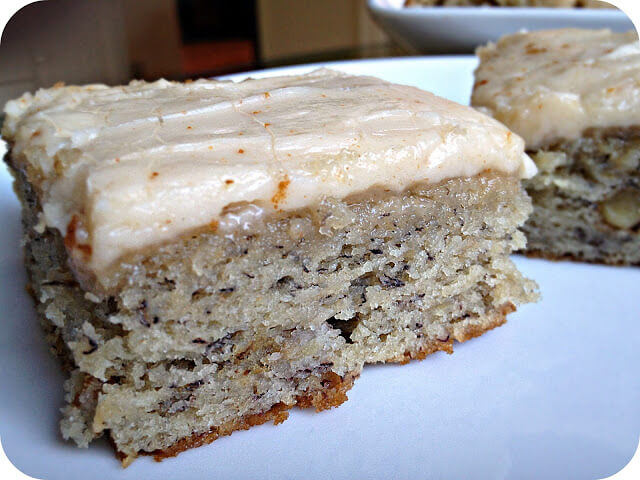
BANANA BREAD BROWNIES

If you’re anything like my family, you have a secret stash of overly ripe bananas lurking on your counter, just begging to be transformed into something delicious. This recipe for banana bread brownies takes those humble, spotty bananas and marries them with the rich, fudgy indulgence of a classic brownie. It’s a delightful mashup, offering the comforting aroma and tender crumb of banana bread but with an irresistible, deep chocolate twist that makes it feel like a truly special treat. It’s the kind of bake that disappears from the cooling rack almost as quickly as it emerges from the oven, and for good reason—it’s pure comfort in every bite.

My husband, Mark, has a real weakness for anything chocolate, and our two kids are banana bread aficionados. For a while, I was making separate batches of each just to keep everyone happy. One particularly busy Saturday, with a mountain of ripe bananas and dwindling energy, I decided to see if I could create a dessert that satisfied both camps. The result, these banana bread brownies, was an instant hit. The first batch barely made it through the afternoon; Mark kept “testing” them, and the kids declared them “the best ever.” Now, it’s a regular request in our household, a sweet reminder that sometimes, the best recipes are born out of a little bit of desperation and a lot of love.

Why You’ll Love This banana-bread-brownies

This is the ultimate way to use up those overripe bananas, transforming them into something far more exciting than plain banana bread.
It strikes a perfect balance, delivering the warmth and tenderness of banana bread with the rich, fudgy texture of a brownie.
The recipe is wonderfully straightforward, making it accessible for bakers of all skill levels, even on a busy weeknight.
It’s a crowd-pleaser that appeals to everyone, whether they’re chocolate lovers, banana bread enthusiasts, or both.
These brownies are incredibly versatile, perfect for breakfast, an afternoon snack, or a delightful dessert with a scoop of ice cream.
They stay wonderfully moist for days, meaning you can enjoy them throughout the week (if they last that long!).

Behind the Recipe

Creating the perfect balance in these banana bread brownies was all about figuring out how to let both the banana and chocolate shine without one overpowering the other. I’ve learned that truly ripe, almost black bananas are non-negotiable for that deep, natural sweetness and moisture. A common pitfall can be overmixing the batter, which leads to a tougher brownie rather than a tender, fudgy one, so a light hand is key after adding the dry ingredients. What really elevates them is a good quality cocoa powder for a rich chocolate depth, and making sure not to overbake; a slightly gooey center is what we’re aiming for to keep that perfect brownie texture. The melted butter also plays a huge role in achieving that desirable fudgy consistency.

Shopping Tips

  • Bananas: Look for bananas that are very ripe, with plenty of brown spots or even entirely blackened peels. This signals peak sweetness and softness, essential for flavor and moisture in this recipe.
  • Cocoa Powder: Opt for a good quality unsweetened cocoa powder. Dutch-processed cocoa will give you a darker, smoother chocolate flavor, while natural cocoa powder offers a fruitier, more intense chocolate note.
  • Butter: Choose unsalted butter so you can control the total salt content in the recipe. If you only have salted, simply reduce the amount of added salt slightly.
  • Eggs: Fresh, large eggs are best for binding and structure. Always check the expiration date to ensure freshness.
  • Flour: All-purpose flour is ideal for these brownies. If you’re buying a new bag, make sure it’s unbleached for the best texture and flavor.

Prep Ahead Ideas

You can mash your ripe bananas and store them in an airtight container in the fridge for up to 2-3 days. This is perfect for those busy mornings when you want to whip up a batch quickly.

Time-Saving Tricks

Instead of painstakingly mashing bananas with a fork, use a potato masher or even a stand mixer with the paddle attachment for quick, lump-free banana mashing. You can also melt butter in the microwave in short bursts to speed up the process.

Common Mistakes

One common mistake is using under-ripe bananas; they won’t provide the necessary sweetness or moisture, resulting in a less flavorful and drier brownie. Another is overbaking, which can turn these deliciously fudgy bars into something dry and crumbly. Keep a close eye on them towards the end of baking and remove them when a toothpick inserted near the edge comes out with moist crumbs, but not wet batter.

What to Serve It With

These banana bread brownies are fantastic on their own, perhaps with a dusting of powdered sugar. For a more decadent dessert, serve them warm with a scoop of vanilla bean ice cream or a dollop of freshly whipped cream. They also pair wonderfully with a hot cup of coffee or a cold glass of milk for a comforting snack.

Tips & Mistakes

Storage Tips

Store in airtight containers in the fridge. It reheats beautifully, but if you sneak a bite cold straight from the container, it still works.

Variations and Substitutions

For an extra layer of texture, you can fold in a half cup of chopped walnuts or pecans into the batter. If you’re a serious chocolate fiend, consider adding a handful of chocolate chips alongside the cocoa powder. You can also experiment with a hint of cinnamon or nutmeg for a more pronounced “banana bread” flavor profile, though the classic version with just banana and chocolate is truly perfection. For a dairy-free option, swap the butter for a neutral oil like canola or melted coconut oil.


Frequently Asked Questions

How do I know when my banana bread brownies are perfectly baked?
Look for slightly set edges and a center that still appears a little moist, but not jiggly. A toothpick inserted into the center should come out with moist crumbs attached, but no wet batter. Overbaking can lead to dry brownies, so err on the side of slightly underbaked for a fudgier texture.

Can I use frozen ripe bananas for this recipe?
Absolutely! Frozen ripe bananas work perfectly. Thaw them completely at room temperature or in the microwave, then drain any excess liquid before mashing them. The texture might be a bit softer, but the flavor and sweetness will be just right.

My brownies are too cakey instead of fudgy. What went wrong?
A cakey texture usually indicates too much flour, overmixing the batter, or overbaking. Ensure you’re measuring your flour accurately (spooning into the measuring cup and leveling off) and mixing just until combined. Also, make sure to pull them from the oven before they are completely set in the center.

Can I make these banana bread brownies ahead of time for a party?
Yes, these brownies are excellent for making ahead! They actually develop more flavor and become even fudgier on the second day. Store them in an airtight container at room temperature for up to 3 days, or in the refrigerator for up to a week.

BANANA BREAD BROWNIES

Fudgy banana bread brownies combine ripe bananas with cocoa for a rich, moist treat — somewhere between banana bread and brownies. Easy to make and perfect for snack time or dessert.
Prep Time 15 minutes
Cook Time 35 minutes
Total Time 50 minutes
Servings 12

Ingredients
  

Main Ingredients

  • 3 medium ripe bananas mashed
  • 0.5 cup unsalted butter melted
  • 0.75 cup granulated sugar
  • 0.5 cup packed brown sugar
  • 2 large eggs room temperature
  • 1 teaspoon vanilla extract
  • 1.25 cup all-purpose flour sifted
  • 0.75 cup unsweetened cocoa powder sifted
  • 0.5 teaspoon baking soda
  • 0.5 teaspoon salt
  • 1 cup semisweet chocolate chips
  • 0.5 cup walnuts chopped, optional

Instructions
 

Preparation Steps

  • Preheat oven to 350°F (175°C). Line an 8x8 inch baking pan with parchment paper and grease lightly.
  • In a large bowl, mash the ripe bananas until smooth. Stir in the melted butter until combined.
  • Add granulated sugar and brown sugar to the banana mixture and whisk until blended. Beat in the eggs one at a time, then stir in the vanilla.
  • In a separate bowl, whisk together the flour, cocoa powder, baking soda, and salt.
  • Fold the dry ingredients into the wet ingredients just until combined. Do not overmix.
  • Stir in chocolate chips and chopped walnuts, reserving a few to sprinkle on top if desired.
  • Spread the batter evenly into the prepared pan and smooth the top. Sprinkle reserved chocolate chips and nuts over the batter.
  • Bake for 30–35 minutes, or until a toothpick inserted in the center comes out with a few moist crumbs (not wet batter). Remove from oven and cool in the pan on a wire rack before slicing.

Notes

Store leftovers covered at room temperature for 2 days or refrigerate for up to 5 days. Reheat briefly for a fudgier texture.
Tried this recipe?Let us know how it was!

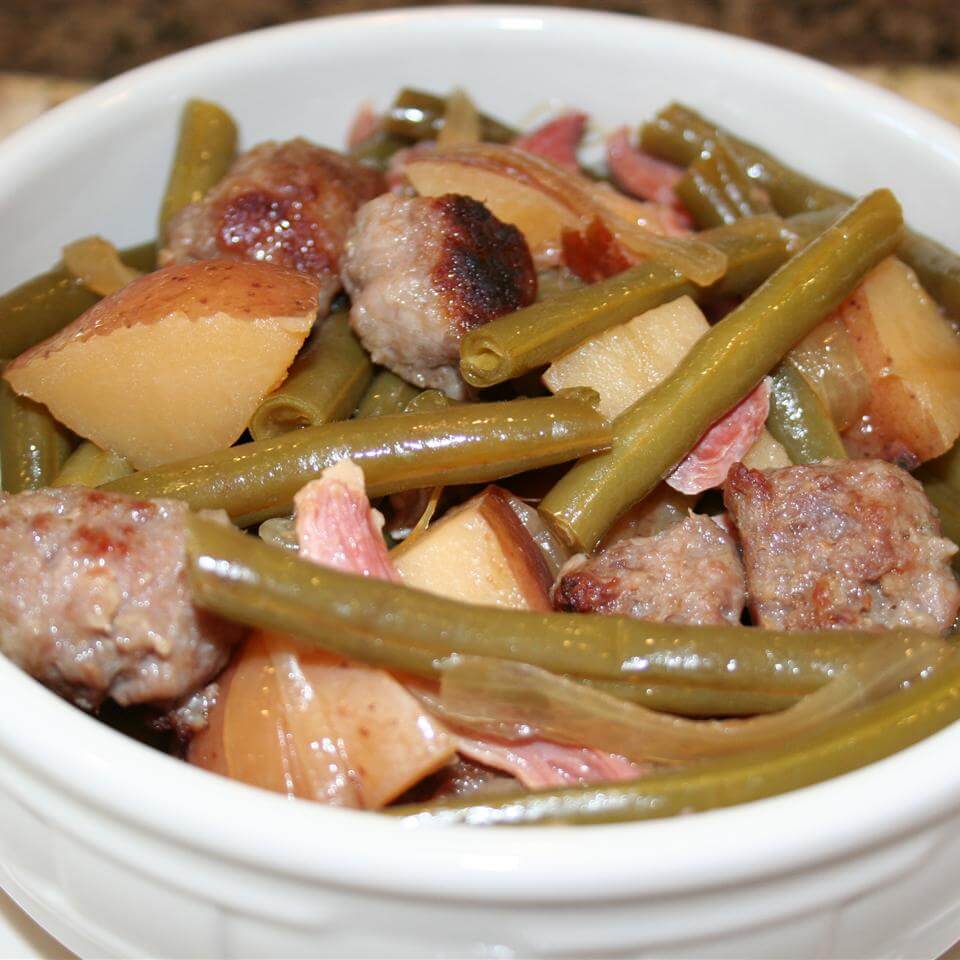
SLOW COOKER GREEN BEANS HAM AND POTATOES

There’s a special kind of magic that happens when simple, wholesome ingredients come together in a slow cooker, transforming into a meal that feels like a warm hug. This particular dish of green beans, ham, and potatoes is more than just a recipe; it’s a testament to the power of comfort food, a hearty and satisfying one-pot wonder that practically cooks itself, leaving you with tender vegetables, savory ham, and perfectly cooked potatoes swimming in a rich, flavorful broth. It’s the kind of home-cooked goodness that promises to gather everyone around the table with happy sighs and contented smiles.

My husband, Mark, absolutely adores this meal. I remember one particularly hectic Tuesday evening, after a long day of work and school pickups, I walked in the door feeling utterly depleted. But then, the aroma hit me—that unmistakable scent of savory ham and simmering vegetables wafting from the slow cooker, a beacon of delicious promise. I’d prepped it that morning in a flurry, almost forgetting about it. When Mark came home, his face lit up instantly. “Oh, that’s what’s for dinner!” he exclaimed, his shoulders visibly relaxing. It was just the pick-me-up we needed, a reminder that even on the busiest days, a nourishing, delicious meal is within reach. Since then, it’s become our go-to for cozy family dinners, a reliable source of warmth and comfort that never disappoints.

Why You’ll Love This slow-cooker-green-beans-ham-and-potatoes

  • It’s the ultimate “set-it-and-forget-it” meal. Just a little morning prep, and your slow cooker does all the work, filling your home with incredible aromas all day long.
  • This dish is pure comfort food. The combination of tender green beans, soft potatoes, and savory ham creates a deeply satisfying and nostalgic flavor profile.
  • It’s a complete meal in one pot, which means minimal cleanup and a balanced dinner without needing a ton of extra sides.
  • This recipe is incredibly budget-friendly, making the most of economical ingredients to create a hearty dish that stretches to feed a family.
  • It’s wonderfully versatile, allowing you to use leftover holiday ham or a simple ham hock to infuse deep, smoky flavor.
  • The leftovers are just as good, if not better, the next day, making it perfect for meal prepping lunches or another easy dinner later in the week.

Behind the Recipe

What I’ve learned over the years with this recipe is that while it’s incredibly forgiving, a few small details truly elevate it. The type of ham you choose makes a world of difference; a smoked ham hock will give you a profound, smoky depth, while a pre-cooked ham steak offers convenience and a milder flavor. Don’t be afraid to season generously throughout the process, tasting and adjusting as you go, as ham can vary wildly in saltiness. One common pitfall is overcooking the potatoes, turning them to mush; choosing a waxy potato like red or Yukon gold and cutting them into consistent, larger chunks helps them hold their shape. A final touch of fresh parsley or a dash of apple cider vinegar just before serving can brighten the entire dish, adding a pop of freshness that cuts through the richness.

Shopping Tips

  • Ham: Opt for a good quality smoked ham hock for the deepest flavor, or a boneless, pre-cooked ham steak or leftover holiday ham for a quicker option. Look for lean cuts to avoid excessive fat.
  • Green Beans: Fresh green beans are always best for their crisp texture and vibrant color. Choose ones that snap easily and avoid any that look limp or bruised. Frozen whole green beans are a good substitute if fresh aren’t available.
  • Potatoes: Waxy potatoes like red potatoes, new potatoes, or Yukon Golds are ideal as they hold their shape well during the long cooking time. Avoid starchy russet potatoes, which tend to break down too much.
  • Broth: A low-sodium chicken or vegetable broth is perfect here, as it allows you to control the overall saltiness, especially since ham can contribute a significant amount.
  • Aromatics: Fresh yellow onion and garlic cloves are indispensable for building a flavorful base. Skip the powders for this one; the fresh aromatics make a noticeable difference.
  • Herbs: While optional, a sprig of fresh thyme or a bay leaf added to the slow cooker will infuse a lovely, subtle herbal note.

Prep Ahead Ideas

To make your morning even smoother, chop your potatoes and onion the night before and store them submerged in cold water in the fridge to prevent browning. You can also trim your fresh green beans ahead of time. If using a ham hock, you can give it a quick rinse and pat dry, ready to go into the slow cooker first thing.

Time-Saving Tricks

Using frozen green beans straight from the freezer can save a few minutes of prep time, just be sure to add them a bit later in the cooking process to prevent them from becoming too soft. Pre-minced garlic or a frozen chopped onion blend are also excellent shortcuts when you’re truly pressed for time. If you have leftover holiday ham already cooked and cubed, this meal comes together in a flash.

Common Mistakes

One of the most common mistakes is overcooking the potatoes, which can turn them into a mushy consistency. To avoid this, ensure your potatoes are cut into larger, consistent pieces and use a waxy variety. Another pitfall is not adjusting for the saltiness of the ham; always taste your broth before adding extra salt, especially if using a cured ham. Finally, don’t be tempted to peek too often at your slow cooker, as each time you lift the lid, it extends the cooking time.

What to Serve It With

This hearty dish is a complete meal on its own, but it pairs wonderfully with a simple side salad dressed with a light vinaigrette to add a fresh counterpoint. A warm slice of cornbread or some crusty bread for soaking up the flavorful broth also makes a fantastic addition.

Tips & Mistakes

Storage Tips

Store in airtight containers in the fridge. It reheats beautifully, but if you sneak a bite cold straight from the container, it still works.

Variations and Substitutions

While the classic version of green beans, ham, and potatoes is perfect as is, you can certainly play with it. For an extra layer of flavor, a pinch of smoked paprika or a dash of liquid smoke can enhance the smoky notes. If you prefer a bit of tang, stir in a teaspoon of apple cider vinegar just before serving. Feel free to swap out some of the green beans for other quick-cooking vegetables like diced carrots or even corn in the last hour of cooking. If you don’t have ham, a smoked sausage can offer a similar savory depth, though the flavor profile will shift slightly.


Frequently Asked Questions

What kind of ham is best to use for this recipe?
For the deepest, most authentic flavor, a smoked ham hock is ideal as it imparts incredible richness to the broth. However, pre-cooked ham steak or even leftover holiday ham, cut into cubes, works wonderfully for convenience and a milder taste.

How can I prevent the potatoes from turning mushy in the slow cooker?
To ensure your potatoes retain their texture, use waxy varieties like red or Yukon Gold potatoes, cut into consistently larger 1.5 to 2-inch chunks. Also, try not to overfill your slow cooker, as too much liquid can contribute to them breaking down too quickly.

Can I use frozen green beans instead of fresh ones?
Yes, absolutely! Frozen green beans are a convenient substitute for fresh. To prevent them from becoming too soft, add them during the last hour or two of cooking time, depending on your slow cooker’s heat.

Is this slow cooker dish naturally gluten-free?
Yes, this recipe is inherently gluten-free, assuming you use a gluten-free chicken or vegetable broth and your ham does not contain any hidden gluten additives. Always double-check ingredient labels if gluten-free is a critical dietary requirement.

How can I adjust the seasoning if my ham is very salty?
If you suspect your ham might be quite salty, start by using low-sodium broth and avoid adding any extra salt until the very end of cooking. Taste the broth before serving and adjust with salt and pepper as needed. A squeeze of fresh lemon juice or a dash of apple cider vinegar can also help balance out excessive saltiness.

SLOW COOKER GREEN BEANS HAM AND POTATOES

This comforting slow cooker meal combines tender green beans, diced potatoes and savory ham in a simple, flavorful broth. Easy prep and hands-off cooking make it a perfect weeknight dinner or hearty side.
Prep Time 15 minutes
Cook Time 4 hours
Total Time 4 hours 15 minutes
Servings 6

Ingredients
  

Main Ingredients

  • 1.5 lb fresh green beans trimmed and cut into 2-inch pieces
  • 1.5 lb potatoes red or Yukon gold, diced into 1-inch pieces
  • 1 lb cooked ham diced (leftover ham or smoked ham steak)
  • 1 cup chicken broth low-sodium preferred
  • 0.5 cup water
  • 2 tbsp butter unsalted or salted
  • 1 medium onion yellow, chopped
  • 2 clove garlic minced
  • 1 tsp dried thyme
  • 1 bay leaf bay leaf
  • 1 tsp black pepper freshly ground
  • 1 tsp salt adjust to taste; ham may add saltiness

Instructions
 

Preparation Steps

  • Place the diced potatoes in the bottom of the slow cooker to ensure they cook through.
  • Add the chopped onion, minced garlic and diced ham on top of the potatoes.
  • Pour the chicken broth and water over the ingredients, then add the butter, dried thyme and bay leaf.
  • Season with salt and black pepper, keeping in mind the ham contributes saltiness; stir gently to combine.
  • Cover and cook on LOW for 4 to 5 hours or on HIGH for 2 to 3 hours, until potatoes are tender.
  • About 30 minutes before serving, add the trimmed green beans on top, stir gently, and continue cooking until the beans are tender-crisp.
  • Remove the bay leaf, taste and adjust seasoning with additional salt and pepper if needed.
  • Serve hot as a main dish or hearty side, garnished with a pat of butter or chopped parsley if desired.

Notes

Leftovers keep well refrigerated for 3 days. Reheat gently to avoid overcooking the green beans.
Tried this recipe?Let us know how it was!

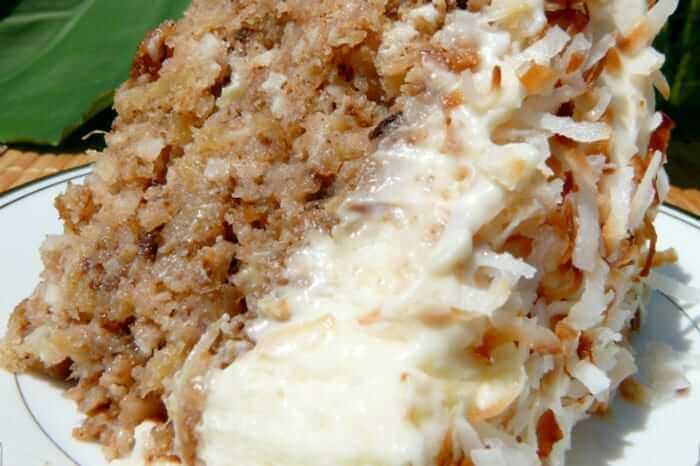
Hawaiian Wedding Cake with Whipped Cream

This Hawaiian Wedding Cake with Whipped Cream is a true sunshine-on-a-plate kind of dessert. It’s a beautifully moist cake, bursting with the tropical flavors of pineapple and coconut, all crowned with a cloud-like, ethereal whipped cream frosting. It’s special because it manages to be incredibly decadent yet feel light and refreshing, a perfect balance that will transport you straight to a sandy beach with every forkful. If you’re looking for a dessert that’s guaranteed to impress without being overly complicated, this is the one to try.

My husband, Mark, is usually more of a chocolate guy, but this cake completely won him over from the very first bite. I remember the first time I made it, years ago, for a summer backyard barbecue. Our friends were bringing all sorts of savory dishes, and I wanted something distinctly different for dessert. I found an old recipe and decided to give it a try. The aroma of baking pineapple and coconut filled the house, and when I pulled it from the oven, Mark was already peering over my shoulder. After it cooled and I frosted it with that glorious whipped cream, he declared it “the taste of summer itself.” Now, it’s a non-negotiable for his birthday, our anniversary, and frankly, any time I ask him what kind of treat he’d like. It’s become our little family’s go-to for celebrations, big or small, always bringing a smile and a little slice of paradise to our table.

Why You’ll Love This Hawaiian Wedding Cake with Whipped Cream

Here are a few thoughtful, human reasons why this Hawaiian Wedding Cake with Whipped Cream will become a beloved staple in your home:

  • It’s a guaranteed crowd-pleaser that evokes warmth and tropical vibes, perfect for any gathering or celebration.
  • The cake itself is incredibly moist and tender, thanks to the crushed pineapple, ensuring a delightful texture in every slice.
  • The flavors of sweet pineapple and toasted coconut are perfectly balanced, creating a harmonious and refreshing dessert that isn’t overly sweet.
  • The light, airy whipped cream frosting is a refreshing change from heavier buttercreams, allowing the cake’s tropical notes to shine.
  • It’s deceptively easy to make, despite its impressive appearance, making it accessible even for novice bakers.
  • This cake stores beautifully, often tasting even better the next day as the flavors meld together further.

Behind the Recipe

Making this cake has taught me a few valuable lessons. The most crucial part is getting the cake layers just right – you want them tender and moist, not dense. A common trip-up is overmixing the batter once the dry ingredients are added; that’s the fastest way to a tough cake. Mix until just combined, and no more. The magic of the crushed pineapple is that it not only lends incredible flavor but also keeps the cake wonderfully hydrated. For the whipped cream, patience and a cold bowl are your best friends. Don’t rush the whipping process, and resist the urge to overbeat, or you’ll end up with butter. A tiny touch of cream cheese or a little gelatin can help stabilize whipped cream if you’re worried about it deflating, but for immediate serving, fresh heavy cream works wonders. Toasting the coconut for garnish is a small touch that adds a significant amount of depth and visual appeal, transforming a good cake into a truly special one.

Shopping Tips

  • Crushed Pineapple: Look for canned crushed pineapple packed in its own juice, not heavy syrup. This ensures the natural fruit flavor comes through without adding unnecessary sweetness or cloying texture.
  • Flaked Coconut: Sweetened flaked coconut is typical for this recipe, but if you prefer less sweetness, unsweetened will also work and can be toasted for extra flavor. Check for freshness—it shouldn’t be dry or brittle.
  • Heavy Cream: Choose heavy cream or whipping cream with at least 36% milk fat for the best and most stable whipped frosting. Avoid “light” or “half and half” as they won’t whip properly.
  • Cake Flour: While all-purpose flour works, cake flour will give your cake an even finer, more tender crumb. If you don’t have it, you can approximate it by replacing two tablespoons of all-purpose flour per cup with cornstarch.
  • Vanilla Extract: Opt for pure vanilla extract over imitation. The deeper, more complex flavor of real vanilla truly elevates the subtle notes in the cake and the freshness of the whipped cream.

Prep Ahead Ideas

You can bake the cake layers a day or two in advance. Once completely cooled, wrap them tightly in plastic wrap and store them at room temperature. For even longer storage, the wrapped layers can be frozen for up to a month. The coconut for garnish can also be toasted ahead of time and stored in an airtight container at room temperature.

Time-Saving Tricks

Using a stand mixer for both the cake batter and the whipped cream will save you significant arm effort and time. Don’t be afraid to use parchment paper circles at the bottom of your cake pans for easy release—it’s a small step that prevents big headaches. If you’re short on time for frosting, a simple dollop of whipped cream on each slice, rather than a full frosting job, still makes for an elegant presentation.

Common Mistakes

One common pitfall is not draining the crushed pineapple thoroughly; too much liquid can make the cake dense or soggy. Another is overmixing the cake batter, which develops the gluten too much and results in a tough cake. For the whipped cream, be careful not to overbeat, as it can quickly turn into butter. Conversely, under-whipping will result in a runny frosting that won’t hold its shape. Lastly, trying to frost warm cake layers is a guaranteed mess; always ensure your cake is completely cooled before applying the whipped cream.

What to Serve It With

This cake is delightful on its own, but it pairs wonderfully with a cup of light coffee or a refreshing iced tea. For a truly tropical experience, serve it alongside fresh berries or a scoop of mango sorbet.

Tips & Mistakes

Storage Tips

Store in airtight containers in the fridge. It reheats beautifully, but if you sneak a bite cold straight from the container, it still works.

Variations and Substitutions

While the classic version of hawaiian-wedding-cake-with-whipped-cream is truly wonderful, you can play with a few substitutions. For an added layer of flavor, try toasting some of the shredded coconut before incorporating it into the cake batter. You could also swirl in a bit of cream cheese to the whipped cream frosting for a slightly tangy, more stable topping, or add a touch of coconut extract for an even more pronounced tropical taste. If you’re not a fan of pineapple, pureed mango or mashed banana could offer a similar moisture profile, though the flavor profile would obviously shift significantly. For a more sophisticated look, garnish with candied pineapple flowers or macadamia nuts. However, for that quintessential Hawaiian wedding cake experience, sticking to the pineapple, coconut, and airy whipped cream is generally best.

Frequently Asked Questions

How do I ensure my whipped cream frosting stays stable and doesn’t deflate?
To keep your whipped cream frosting stable, start with very cold heavy cream, a chilled bowl, and cold whisks. Whip it just until it holds soft peaks; over-whipping can separate it, and under-whipping will make it too soft. For extra security, you can add a tablespoon of powdered sugar and a teaspoon of cornstarch per cup of heavy cream as you whip, which acts as a natural stabilizer.

Can I use fresh pineapple instead of canned crushed pineapple in this cake?
While fresh pineapple is delicious, canned crushed pineapple is specifically called for in this recipe because its moisture content and acidity are consistent and proven to work well for the cake’s texture. Fresh pineapple can sometimes have enzymes that interfere with the cake’s setting or create too much moisture, so it’s generally best to stick with the canned variety for reliable results.

My cake came out a bit dense. What might have gone wrong?
A dense cake often results from overmixing the batter once the dry ingredients have been added. Overmixing develops the gluten in the flour, leading to a tougher texture. Be sure to mix just until the ingredients are combined. Also, ensure your leavening agents (baking soda/powder) are fresh, as expired ones won’t provide the necessary lift.

Can I prepare the Hawaiian Wedding Cake layers in advance and freeze them?
Yes, absolutely! Baked and cooled cake layers freeze beautifully. Once completely cool, wrap each layer tightly in several layers of plastic wrap, then an additional layer of aluminum foil. They can be frozen for up to 1-2 months. Thaw them in the refrigerator overnight before unwrapping and frosting.

Hawaiian Wedding Cake with Whipped Cream

Light, tender vanilla cake studded with crushed pineapple and shredded coconut, finished with a simple whipped cream frosting — a classic Hawaiian-inspired dessert perfect for celebrations.
Prep Time 20 minutes
Cook Time 30 minutes
Total Time 50 minutes
Servings 12

Ingredients
  

Main Ingredients

  • 3 cup all-purpose flour
  • 2 cup granulated sugar
  • 2 teaspoon baking powder
  • 0.5 teaspoon salt
  • 0.75 cup unsalted butter, softened 6 tablespoons
  • 3 large eggs
  • 1 cup milk whole milk preferred
  • 1 teaspoon vanilla extract
  • 8 ounce crushed pineapple, drained
  • 1 cup sweetened shredded coconut plus extra for topping
  • 2 cup heavy cream for whipped cream
  • 0.75 cup powdered sugar for whipped cream
  • 1 teaspoon vanilla extract for whipped cream

Instructions
 

Preparation Steps

  • Preheat the oven to 350°F (175°C). Grease and flour a 9x13-inch baking pan or line it with parchment paper.
  • In a medium bowl, whisk together the flour, baking powder and salt. Set aside.
  • In a large bowl, cream the softened butter and granulated sugar until light and fluffy, about 3 to 4 minutes.
  • Add the eggs one at a time, beating well after each addition. Mix in the vanilla extract.
  • Alternately add the dry ingredients and the milk to the butter mixture, beginning and ending with the dry ingredients. Mix until just combined.
  • Fold in the drained crushed pineapple and 1 cup shredded coconut until evenly distributed.
  • Pour the batter into the prepared pan and smooth the top. Bake for 28 to 35 minutes, or until a toothpick inserted in the center comes out clean.
  • Remove the cake from the oven and allow it to cool completely in the pan on a wire rack, about 30 minutes to 1 hour.
  • For the whipped cream frosting: chill a mixing bowl and beaters in the freezer for 10 minutes. Pour the heavy cream into the chilled bowl, add powdered sugar and vanilla, and whip on medium-high speed until stiff peaks form.
  • Spread the whipped cream over the cooled cake and sprinkle additional shredded coconut on top. Refrigerate for at least 30 minutes before slicing to set the frosting.

Notes

Store leftover cake covered in the refrigerator for up to 3 days. For a firmer frosting, stabilize the whipped cream with a tablespoon of instant pudding mix or softened cream cheese.
Tried this recipe?Let us know how it was!

SOUTHERN FRIED CORNBREAD

There’s a comfort in tradition, especially when it comes to food, and southern-fried cornbread is a testament to that timeless warmth. This isn’t your average baked cornbread; this is a skillet-fried marvel, born from the simple necessity of a hot pan and a handful of pantry staples, emerging with a deeply golden, irresistibly crisp crust and a tender, savory interior. It’s the kind of dish that anchors a meal, a true Southern staple that transforms humble ingredients into something truly special, begging to be torn apart and soaked in gravy or a bowl of chili.

My husband, bless his heart, is a creature of habit when it comes to his favorite meals, and southern-fried cornbread quickly became a non-negotiable side whenever chili or a pot of collard greens graces our table. I remember the first time I made it for him, early in our marriage. I’d always baked cornbread, but his grandma, who hailed from rural Georgia, insisted that “real” cornbread got a good sizzle in a cast iron skillet. Intrigued, I poured the batter into shimmering bacon grease, and the sound alone was magic. When I served up those crispy wedges, his eyes lit up, and he declared it “just like Mawmaw used to make.” It’s been a staple ever since, a little crispy piece of heritage that makes every meal feel like a comforting embrace.

Why You’ll Love This southern-fried-cornbread

  • It offers an unparalleled crispy crust: Unlike baked cornbread, the direct contact with hot fat in a skillet creates an incredibly golden, crackly exterior that provides a delightful textural contrast to the soft interior.
  • The flavor is deeply savory: Cooked in bacon grease or a similar rich fat, this cornbread absorbs wonderful flavor, making it incredibly satisfying and a perfect counterpoint to hearty main dishes.
  • It’s surprisingly quick to make: Once your skillet is hot, the batter comes together in minutes and cooks fairly rapidly, making it an excellent last-minute addition to any meal.
  • It’s incredibly versatile: Perfect alongside chili, soups, stews, collard greens, beans, BBQ, or even just a slather of butter and a drizzle of honey.
  • It evokes true Southern comfort: There’s an authenticity to this method that transports you straight to a cozy Southern kitchen, a comforting and nostalgic experience with every bite.

Behind the Recipe

What I’ve really come to appreciate about southern-fried cornbread is its simplicity and the subtle nuances that make all the difference. The biggest revelation for me was understanding the importance of heat – a screaming hot cast iron skillet and equally hot fat are non-negotiable for that signature crispy crust. If your pan isn’t hot enough, you’ll end up with a greasy, soggy bottom instead of that coveted golden crunch. Many people trip up by not being bold enough with their heat. Another key is the quality of your cornmeal; a good stone-ground cornmeal lends a superior texture and flavor that’s hard to beat. I’ve also learned that a light hand with the mixing is crucial; overmixing develops gluten and can lead to a tough cornbread, so stop as soon as everything is just combined. And for a truly elevated experience, don’t skimp on the fat—bacon grease is traditional for a reason, imbuing the cornbread with an incredible depth of flavor.

Shopping Tips

  • Cornmeal: Opt for a good quality yellow or white cornmeal, ideally stone-ground, for the best texture and flavor. Avoid self-rising cornmeal unless the recipe specifically calls for it and adjust leavening accordingly.
  • Buttermilk: Full-fat buttermilk is key here for both flavor and tenderness. If you don’t have it, you can create a substitute by adding a tablespoon of lemon juice or white vinegar to regular milk and letting it sit for 5-10 minutes.
  • Fats & Oils: Bacon grease is truly traditional and imparts an unparalleled savory flavor. If you don’t have it, shortening or a neutral high-heat oil like canola or vegetable oil will also work well.
  • Eggs: Fresh large eggs are ideal for binding the batter. Check the date on the carton to ensure freshness.
  • Leavening: You’ll need baking soda to react with the acidity in the buttermilk, so make sure your box is fresh and active for the best rise.

Prep Ahead Ideas

You can whisk together your dry ingredients (cornmeal, baking soda, salt) in advance and store them in an airtight container. This makes throwing the batter together incredibly fast when you’re ready to cook. If you use bacon grease, render a batch of bacon ahead of time and keep the strained grease in the fridge, ready to use. Bringing your buttermilk and egg to room temperature about 30 minutes before mixing can also help create a smoother, more uniform batter.

Time-Saving Tricks

The biggest time-saver for this recipe is having your skillet and fat preheated while you mix the wet and dry ingredients. Don’t wait until the batter is ready to start heating the pan. Also, ensure all your ingredients are measured out and ready to go (mise en place) before you begin, as the mixing process itself is very quick. If you’re not using bacon grease, a quick-heating neutral oil will get you to frying temperature faster.

Common Mistakes

A very common mistake is not getting the skillet and fat hot enough before adding the batter. This leads to a soggy, greasy cornbread rather than a wonderfully crispy one. Another pitfall is overmixing the batter; mix only until the dry ingredients are just moistened, as overworking it can result in a tough, dense cornbread. Using self-rising cornmeal and then adding extra baking soda can also throw off the balance and texture. Finally, trying to flip the cornbread too early, before a good crust has formed, can cause it to break apart in the pan.

What to Serve It With

This southern-fried cornbread is the perfect companion to a wide array of dishes. It’s absolutely divine with a hearty bowl of chili, any kind of bean stew, or a flavorful pot of collard greens. It also pairs wonderfully with BBQ, fried chicken, gumbo, or simply slathered with butter and a drizzle of honey for a comforting snack. Its crispy texture and savory flavor make it an excellent choice for soaking up gravies and sauces.

Tips & Mistakes

Storage Tips

Store in airtight containers in the fridge. It reheats beautifully, but if you sneak a bite cold straight from the container, it still works.

Variations and Substitutions

While the classic version is truly fantastic and worth sticking to, there are a few realistic swaps you can make. For the fat, while bacon grease is king, you can substitute with shortening, lard, or a neutral high-heat oil like canola or vegetable oil. The flavor will be slightly different, but the crispy texture will still shine. If you don’t have buttermilk, you can make a quick substitute by adding one tablespoon of lemon juice or white vinegar to a cup of regular milk and letting it sit for five minutes until it slightly curdles. For those who prefer a touch of sweetness, a tablespoon or two of sugar can be added to the dry ingredients, though traditionally, southern-fried cornbread is savory. For the best, most authentic experience, I highly recommend trying it with good quality cornmeal, buttermilk, and bacon grease first.


Frequently Asked Questions

What kind of skillet is best for southern-fried cornbread?
A well-seasoned cast iron skillet is truly ideal for this recipe. Its ability to retain and distribute heat evenly is crucial for achieving that perfectly crispy, golden crust that sets southern-fried cornbread apart. If you don’t have one, a heavy-bottomed, oven-safe skillet will work, but cast iron truly yields the best results.

My cornbread turned out greasy and not crispy. What went wrong?
This often happens if your skillet and the fat weren’t hot enough when you added the batter. The cornbread needs to hit a very hot surface to immediately start forming a crust and prevent it from absorbing too much oil. Ensure your skillet is shimmering and almost smoking before pouring in the batter.

Can I use regular milk instead of buttermilk?
While buttermilk provides a unique tang and tenderness, you can create a substitute by adding a tablespoon of lemon juice or white vinegar to a cup of regular milk. Let it sit for 5-10 minutes until it slightly curdles before adding it to your dry ingredients. Remember to still use baking soda, as it needs the acid to activate.

How do I know when to flip the cornbread?
You’ll know it’s time to flip when the edges look dry and golden brown, and the bottom has formed a firm, deep golden crust. You should be able to gently slide a spatula underneath without it sticking or breaking. A peek with the spatula is always a good idea before committing to the flip.

Can I make this cornbread ahead of time?
While it’s best enjoyed fresh out of the skillet for optimal crispiness, you can absolutely make it an hour or two ahead of time. Keep it warm loosely covered in a low oven. For longer storage, refrigerate and gently reheat in a dry skillet or oven to help restore some of its crisp texture.

SOUTHERN FRIED CORNBREAD

Crispy golden rounds of fried cornbread made from a simple cornmeal batter and shallow-fried in bacon grease or oil. Serve warm with honey, butter, or as a side to chili and greens.
Prep Time 15 minutes
Cook Time 15 minutes
Total Time 30 minutes
Servings 6

Ingredients
  

Main Ingredients

  • 1.5 cups yellow cornmeal
  • 0.5 cups all-purpose flour
  • 1 tablespoons baking powder
  • 1 teaspoons salt
  • 1 tablespoons sugar optional
  • 1 large egg
  • 1 cups buttermilk room temperature
  • 2 tablespoons unsalted butter, melted
  • 0.25 cups bacon grease or vegetable oil for shallow frying

Instructions
 

Preparation Steps

  • In a medium bowl whisk together the cornmeal, flour, baking powder, salt, and sugar until evenly combined.
  • In a separate bowl beat the egg with the buttermilk and melted butter, then pour the wet ingredients into the dry ingredients and stir until just combined. Batter will be thick but spoonable.
  • Heat a 10- or 12-inch skillet over medium heat and add the bacon grease or vegetable oil. Heat until shimmering but not smoking, about 2 to 3 minutes.
  • Drop spoonfuls (about 2 to 3 tablespoons each) of batter into the hot oil, flattening slightly with the back of the spoon to form rounds. Do not overcrowd the pan; cook in batches if necessary.
  • Fry until the undersides are deep golden, about 3 to 4 minutes, then flip and cook the second side until golden and cooked through, another 3 to 4 minutes.
  • Transfer fried cornbread to a plate lined with paper towels to drain briefly. Keep warm in a low oven if making multiple batches.
  • Serve warm with butter, honey, or as a rustic side to soups and greens.

Notes

For extra flavor fry in bacon drippings. Batter can be thinned slightly with extra buttermilk for a lighter texture. Leftovers reheat well in a skillet to restore crispness.
Tried this recipe?Let us know how it was!

BEEF STROGANOFF CASSEROLE

There are few dishes that wrap you in a hug quite like a good stroganoff, and when you transform that creamy, savory classic into a bubbling, golden casserole, you’ve truly unlocked a new level of comfort. This isn’t just a weeknight meal; it’s an experience, a delightful combination of tender beef, earthy mushrooms, and perfectly cooked noodles all nestled in a luscious, tangy sour cream sauce, baked until every bite is pure bliss. It’s the kind of hearty dish that warms you from the inside out, making it an absolute must-try for anyone craving classic flavors with the ease of a casserole.

My husband, Mark, has always had a soft spot for anything with noodles and a rich sauce, so it was no surprise when this beef stroganoff casserole quickly became a regular request in our home. I vividly remember the first time I made it, a particularly blustery Tuesday evening after a long day. I was aiming for something satisfying and relatively hands-off, and as the aroma of browning beef and sautéing mushrooms filled the kitchen, a sense of cozy anticipation took over. The moment Mark took his first bite, his eyes lit up, and he declared it “Tuesday night perfection.” From then on, it’s been our go-to for busy evenings, potlucks, and even chilly weekend lunches. There’s something so comforting about knowing I can whip up a meal that consistently brings smiles to our faces and leaves everyone feeling utterly content.

Why You’ll Love This beef-stroganoff-casserole

You are going to absolutely adore this beef-stroganoff-casserole for so many wonderful reasons, especially if you’re a fan of satisfying, home-cooked meals. It’s the ultimate comfort food, blending tender beef, creamy sauce, and hearty noodles into one delectable dish that just feels like a warm hug. This casserole is incredibly versatile and great for meal prep, meaning you can put it together ahead of time and bake it when you’re ready, which is a lifesaver on busy weeknights. Plus, it’s a total crowd-pleaser, guaranteed to be a hit with both kids and adults thanks to its familiar, rich flavors. And let’s not forget how wonderfully it reheats, making delicious leftovers that are just as good, if not better, the next day.

Behind the Recipe

Creating the perfect beef stroganoff casserole really comes down to a few key techniques and understanding your ingredients. I’ve learned that properly browning your beef is paramount; you want a good sear to build that foundational flavor, not just steam the meat. Another important lesson has been to cook the egg noodles slightly underdone before they go into the casserole, as they’ll continue to cook and absorb flavor in the oven, preventing them from becoming mushy. Small touches like using fresh mushrooms and a good quality beef broth really make a difference, lending a depth that dried ingredients just can’t quite replicate. Don’t be shy with your seasoning, tasting and adjusting as you go ensures a perfectly balanced, savory sauce every time.

Shopping Tips

  • Beef: Look for stewing beef that has good marbling, or even a sirloin tip roast you can cube yourself. Good quality meat makes all the difference in tenderness and flavor.
  • Mushrooms: Opt for fresh cremini (baby bella) mushrooms; they have a deeper, earthier flavor than white button mushrooms. Ensure they’re firm and free of dark spots.
  • Sour Cream: Choose full-fat sour cream for the creamiest, most luxurious sauce that won’t curdle when heated. Check the expiration date for freshness.
  • Egg Noodles: Wide egg noodles are traditional and hold up beautifully in a casserole. Pick a reputable brand that you trust for good texture.
  • Beef Broth: Select a low-sodium beef broth or stock so you can control the overall saltiness of your dish. This allows the beef flavor to shine without being overwhelmed.
  • Onions: A good yellow or sweet onion provides a crucial aromatic base for the sauce. Look for firm onions with dry, papery skins.

Prep Ahead Ideas

You can get a significant head start on this beef-stroganoff-casserole to make weeknights a breeze. Brown your beef and sauté the mushrooms and onions a day or two in advance, storing them separately in airtight containers in the fridge. You can also mix together your sour cream sauce ingredients (minus the noodles) and refrigerate that. Even cooking the egg noodles slightly al dente and cooling them can save time, just toss them with a tiny bit of oil to prevent sticking before refrigerating.

Time-Saving Tricks

For those nights when every minute counts, don’t hesitate to use pre-sliced mushrooms and pre-diced onions from the produce section. While a little more expensive, they can shave off valuable prep time. Another trick is to use a large, wide pan for browning your beef; this allows for better caramelization in fewer batches. Finally, ensure your broth is warmed slightly before adding it to the sauce to speed up the simmering process.

Common Mistakes

One of the most common pitfalls is overcooking the noodles before they even go into the casserole; remember, they’ll cook more in the oven, so cook them to just al dente, or even a minute shy. Another frequent issue is not properly browning the beef, which leads to a less flavorful dish; don’t overcrowd the pan and give the meat time to develop a deep, rich crust. Lastly, a bland sauce often results from not seasoning adequately throughout the cooking process—taste and adjust at each stage!

What to Serve It With

This hearty beef stroganoff casserole is fantastic served simply with a crisp green salad dressed with a light vinaigrette to cut through the richness. A side of steamed green beans or roasted asparagus also makes a wonderful accompaniment. If you’re looking for extra indulgence, a crusty loaf of sourdough bread is perfect for soaking up any leftover sauce.

Tips & Mistakes

Storage Tips

Store in airtight containers in the fridge. It reheats beautifully, but if you sneak a bite cold straight from the container, it still works.

Variations and Substitutions

While the classic beef and egg noodle combination is truly stellar, you have some room to play! If you’re not a fan of stew beef, ground beef works wonderfully for a quicker version, just brown it well and drain any excess fat. For the noodles, penne or rotini can be decent substitutes if you don’t have egg noodles, though the texture will be a bit different. You can also sneak in extra veggies like peas or spinach for added nutrients. For a slightly tangier sauce, a touch of cream cheese can be added along with the sour cream. While these swaps are fun, the classic combination really does hit all the right notes for that authentic stroganoff flavor.


Frequently Asked Questions

Can I use a different type of beef for this casserole?
Absolutely! While stew beef provides tender chunks, you can easily use ground beef for a quicker, more budget-friendly option. Just be sure to brown it well and drain any excess fat before proceeding with the recipe. Sirloin or even chuck roast cut into smaller pieces can also work beautifully.

How do I prevent my egg noodles from becoming mushy in the casserole?
The key is to undercook your egg noodles significantly before adding them to the casserole. Cook them to just al dente, or even a minute shy of that, as they will continue to absorb liquid and cook further in the oven. This ensures they maintain a pleasant texture and don’t turn to mush.

Can I assemble this beef-stroganoff-casserole ahead of time and bake it later?
Yes, this casserole is fantastic for making ahead! Assemble everything in your baking dish, cover it tightly with plastic wrap or foil, and refrigerate for up to 24 hours. When you’re ready to bake, you might need to add an extra 10-15 minutes to the baking time to ensure it heats through evenly.

What’s the best way to reheat leftover beef-stroganoff-casserole?
For best results, reheat individual portions in the microwave until warmed through, or place a larger portion in an oven-safe dish, cover loosely with foil, and bake at 325°F (160°C) until hot. If the sauce seems a bit thick, you can stir in a splash of beef broth or milk to loosen it up before reheating.

My sauce turned out too thin/thick. What went wrong?
If your sauce is too thin, it might be due to not reducing the broth enough or adding too much liquid initially. To thicken, you can simmer it gently on the stovetop for a few extra minutes before assembling. If it’s too thick, simply stir in a tablespoon or two of extra beef broth or milk until it reaches your desired consistency.

BEEF STROGANOFF CASSEROLE

A comforting beef stroganoff casserole that combines seasoned ground beef, mushrooms, egg noodles and a creamy sauce baked with cheddar until bubbly. Easy weeknight family dinner.
Prep Time 20 minutes
Cook Time 40 minutes
Total Time 1 hour
Servings 6

Ingredients
  

Main Ingredients

  • 1.5 lb ground beef
  • 1 cup onion, finely chopped
  • 8 oz mushrooms, sliced
  • 12 oz egg noodles (uncooked)
  • 1 can cream of mushroom soup 10.5 oz can
  • 1 cup sour cream
  • 1 cup beef broth low sodium preferred
  • 1 tbsp Worcestershire sauce
  • 1 tsp garlic, minced
  • 1 tsp salt
  • 0.5 tsp black pepper
  • 2 tbsp butter
  • 2 tbsp all-purpose flour for thickening
  • 1.5 cup shredded cheddar cheese plus extra for topping

Instructions
 

Preparation Steps

  • Preheat the oven to 350°F (175°C). Lightly grease a 9x13-inch baking dish.
  • Cook the egg noodles according to package directions until al dente, drain and set aside.
  • In a large skillet over medium heat, melt the butter. Add the chopped onion and cook 3–4 minutes until softened. Add minced garlic and cook 30 seconds more.
  • Add ground beef to the skillet and cook, breaking up with a spoon, until browned and cooked through. Drain excess fat if necessary.
  • Stir in sliced mushrooms and cook until they release moisture and soften, about 4–5 minutes. Sprinkle flour over the mixture and stir to combine.
  • Pour in beef broth and Worcestershire sauce, stirring until the sauce thickens slightly. Remove from heat and stir in the cream of mushroom soup and sour cream until smooth. Season with salt and pepper.
  • Combine the cooked noodles and beef mixture in a large bowl. Fold in 1 cup of shredded cheddar, then transfer to the prepared baking dish. Sprinkle remaining cheddar over the top.
  • Bake uncovered for 20–25 minutes until the casserole is bubbly and the cheese is melted and golden. Let rest 5 minutes before serving.

Notes

Make-ahead: Assemble the casserole, cover and refrigerate up to 24 hours before baking. For a lighter version, use reduced-fat sour cream and cheddar.
Tried this recipe?Let us know how it was!