Melt – In – Your – Mouth Shortbread – It’s A Classic!
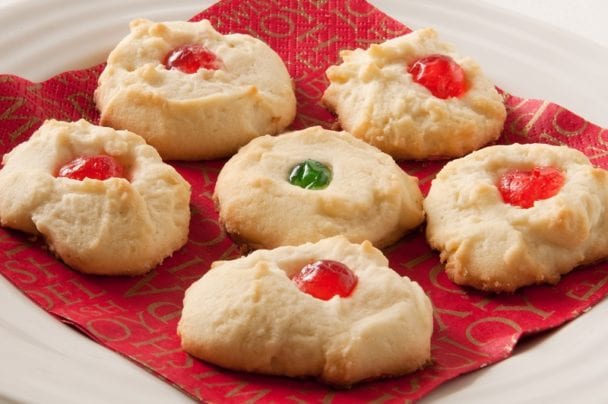
There’s something incredibly comforting and satisfying about a truly good shortbread. It’s not flashy, it doesn’t boast intricate layers or exotic flavors, but its beauty lies in its elegant simplicity and the sheer pleasure of a buttery, melt-in-your-mouth crumb. This classic shortbread recipe is a testament to how a few high-quality ingredients can come together to create pure baking magic, a treat that feels both luxurious and approachable all at once.
My husband, Alex, has always been a fan of classic desserts, and shortbread quickly became a quiet favorite in our home. I remember one chilly autumn evening when he came home from a particularly long day, and I had just pulled a batch from the oven. The scent of warm butter and vanilla filled the kitchen, and he immediately gravitated to the cooling rack. He picked up a piece, took a bite, and that’s when I saw his shoulders visibly relax. From then on, a batch of shortbread became his go-to comfort food, a little edible hug that signals winding down and enjoying life’s simple pleasures. It’s the recipe I always turn to when I want to show a little extra love.
You may also like:
Why You’ll Love This melt-in-your-mouth-shortbread-its-a-classic
This shortbread is incredibly simple to make, requiring just a handful of pantry staples and straightforward steps, making it perfect for bakers of all skill levels.
The texture is truly unparalleled – crumbly, tender, and literally melts in your mouth with every bite, a true testament to its classic buttery goodness.
It’s wonderfully versatile, serving as an elegant accompaniment to tea or coffee, a thoughtful homemade gift, or a simple dessert after any meal.
Unlike many other cookies, shortbread stores beautifully, maintaining its delightful texture and flavor for days, and even freezes well for future enjoyment.
The recipe is easily adaptable for subtle variations, allowing you to infuse it with citrus zest, a touch of almond extract, or even a dip in chocolate if you’re feeling fancy.
It evokes a sense of nostalgia and hominess, bringing a comforting, traditional feel to any occasion, big or small.
Behind the Recipe
Making exceptional shortbread is all about understanding the role of fat and flour. What I’ve learned over countless batches is that cold butter is your best friend. It helps create those delicate pockets in the dough, leading to that signature crumbly texture we all adore. One common pitfall is overworking the dough; resist the urge to knead it excessively, as this develops gluten and can lead to tough shortbread instead of tender. The small touches that truly elevate it are a good quality butter, a tiny pinch of salt to balance the sweetness, and baking it just until the edges are golden, not deeply browned, to preserve its pale, delicate character.
Shopping Tips
- Butter: Opt for high-quality unsalted butter. Since butter is the star of shortbread, a good brand with a higher fat content will make a noticeable difference in flavor and texture.
- Flour: All-purpose flour is perfect here. Ensure it’s fresh and unbleached for the best results, as old flour can impact the final taste and texture.
- Sugar: Granulated sugar is classic, but you can also use fine confectioners’ sugar for an even more tender crumb. Whichever you choose, ensure it’s not clumpy.
- Salt: A fine sea salt or kosher salt is ideal for baking. Avoid iodized table salt, as it can sometimes impart a slightly metallic taste.
Prep Ahead Ideas
You can prepare the shortbread dough a day or two in advance. Form it into the desired shape, wrap it tightly in plastic wrap, and store it in the refrigerator. When you’re ready to bake, simply unwrap, slice (if applicable), and proceed with baking.
Time-Saving Tricks
If you’re in a hurry, consider using a food processor to combine the cold butter, sugar, and flour. Pulse until it forms a cohesive dough, being careful not to overmix, which can save a few minutes of creaming time.
Common Mistakes
A common mistake is using butter that’s too warm, which can lead to greasy, dense shortbread. Always ensure your butter is cold and firm. Another pitfall is baking at too high a temperature or for too long, resulting in a dark, hard cookie instead of a pale, tender one. If your dough is too crumbly to come together, add just a tiny splash of cold water or milk, a teaspoon at a time, until it binds.
What to Serve It With
Classic shortbread is delightful on its own, but it truly shines alongside a cup of hot tea or coffee. It also makes a wonderful accompaniment to fresh berries, a dollop of whipped cream, or a scoop of vanilla bean ice cream. For a more decadent treat, serve it with a drizzle of melted dark chocolate or a side of lemon curd.
Tips & Mistakes
Storage Tips
Store in airtight containers in the fridge. It reheats beautifully, but if you sneak a bite cold straight from the container, it still works.
Variations and Substitutions
For a touch of citrus, add the zest of one lemon or orange to the butter and sugar mixture. A teaspoon of vanilla extract or a hint of almond extract can also deepen the flavor beautifully. While butter is truly key for that classic melt-in-your-mouth texture, you could experiment with a high-quality vegan butter substitute if needed, though the flavor and texture will be slightly different. For gluten-free shortbread, a 1:1 gluten-free baking flour blend can often work well, though you might need to add a touch more liquid if the dough seems too dry.
FAQ SECTION (STRICT RULES)
Frequently Asked Questions
Melt – In – Your – Mouth Shortbread – It’s A Classic!
Ingredients
Main Ingredients
- 1 cup unsalted butter softened
- 0.75 cup powdered sugar also called confectioners' sugar
- 2 cups all-purpose flour
- 0.5 cup cornstarch for extra tenderness
- 0.5 tsp salt
- 1 tsp vanilla extract or almond extract
Instructions
Preparation Steps
- Preheat the oven to 325°F (160°C). Line an 8-inch square pan with parchment paper, leaving an overhang to lift the shortbread out later.
- In a large bowl, beat the softened butter and powdered sugar together until light and fluffy, about 2–3 minutes.
- Add the vanilla extract and mix until incorporated.
- Sift the all-purpose flour, cornstarch and salt together. Gradually add the dry ingredients to the butter mixture and mix on low until a soft dough forms. Do not overwork.
- Press the dough evenly into the prepared pan, smoothing the top with the back of a spoon or your fingers. Prick the surface lightly with a fork to allow steam to escape.
- Chill the pan in the refrigerator for 10–15 minutes to firm up the dough for an even bake.
- Bake for 18–22 minutes, or until the edges are just turning a light golden color. The center should still be pale.
- Remove from the oven and allow to cool in the pan for 10 minutes, then lift out using the parchment overhang and transfer to a wire rack. Slice into 12 pieces while still slightly warm or after cooling completely.
- Serve plain or dust with additional powdered sugar if desired.
Notes
Nutrition
Featured Comments
“New favorite here — so flavorful. sweet treat was spot on.”
“Impressed! Clear steps and turned out amazing results. Perfect for busy nights.”