Southern Caramel Cake
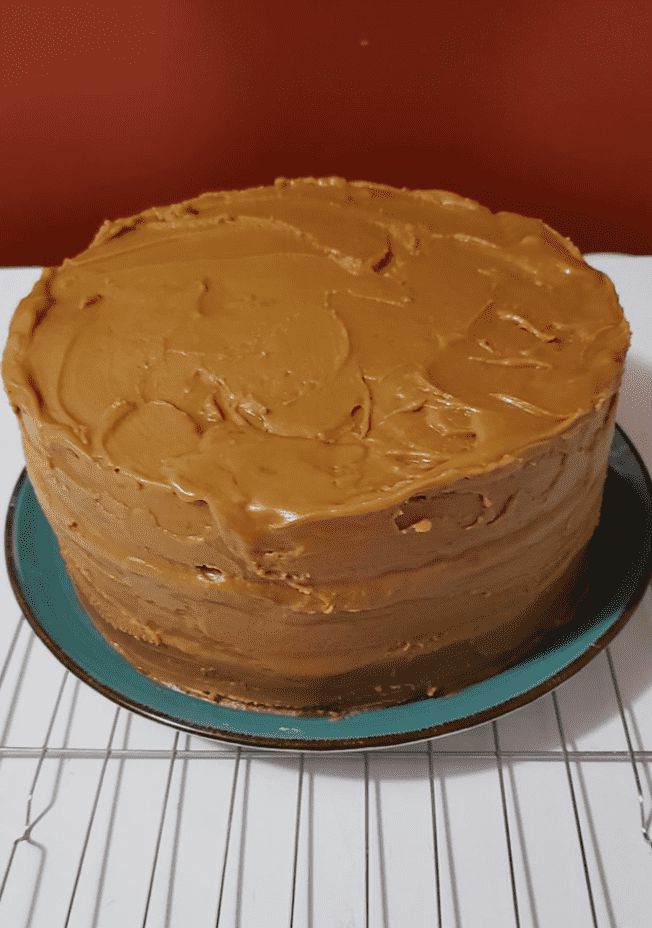
There are few desserts that evoke a sense of warmth and tradition quite like a proper Southern Caramel Cake. This isn’t just any cake; it’s a showstopper, a labor of love that rewards you with moist, tender cake layers cloaked in a rich, buttery, cooked caramel frosting that’s simply divine. It’s the kind of cake that makes people pause, close their eyes in pure enjoyment, and then immediately ask for the recipe.
My husband, bless his heart, is a man of simple pleasures, but when it comes to dessert, he has a very specific, nostalgic craving for a truly authentic caramel cake. It all started a few years ago, when I attempted my first one for his birthday. The kitchen was a flurry of flour and sugar, and I’ll admit, that caramel frosting took a bit of coaxing. But when he took that first bite, his eyes lit up, and he declared it “just like Grandma used to make.” Since then, it’s become his official birthday cake request, and frankly, I love any excuse to make it. There’s something so satisfying about seeing the joy it brings, knowing that a little time and effort can create such a cherished memory.
You may also like:
Why You’ll Love This southern-caramel-cake
This cake is a true taste of Southern hospitality, offering a unique blend of comforting flavors and impressive presentation.
The tender, buttery cake layers provide the perfect counterpoint to the rich, deeply flavored cooked caramel frosting.
It’s a dessert that feels special and celebratory, ideal for holidays, birthdays, or simply making an ordinary day extraordinary.
While it requires a little patience, the satisfaction of creating such a classic, from-scratch masterpiece is incredibly rewarding.
The combination of sweet and subtly salty notes in the caramel is utterly addictive and unforgettable.
Behind the Recipe
Making a Southern Caramel Cake is truly an exercise in patience and a delightful lesson in classic baking techniques. What I’ve learned over the years is that the heart of this cake lies not just in the tender crumb of the layers, but profoundly in the caramel frosting. Don’t be intimidated by it; the key is low and slow, giving the sugar time to melt evenly and then allowing the caramel to develop its rich amber color without scorching. Many people rush this step, leading to grainy or burnt results. Another small touch that elevates it is using good quality butter and a splash of vanilla extract that really sings through the sweetness. And remember, the cake layers themselves should be light and delicate, providing a soft cushion for that glorious, slightly chewy caramel.
Shopping Tips
- Butter: Opt for unsalted butter, as it gives you control over the final salt content, especially crucial for balancing the sweetness in the caramel frosting. Higher quality butter makes a noticeable difference in flavor.
- Sugar: You’ll need granulated sugar for both the cake and the caramel. For the caramel, ensure it’s fresh and free of clumps to help it melt evenly without crystallizing.
- Dairy: Buttermilk is essential for the cake’s tender crumb and tangy depth; don’t skip it. For the frosting, heavy cream (at least 36% milk fat) is non-negotiable for that rich, luscious consistency.
- Flour: While all-purpose flour works, consider using cake flour if you want an extra-light and tender crumb for your cake layers. Sifting it once or twice can also make a big difference.
- Vanilla Extract: Use a good quality pure vanilla extract. It plays a significant role in enhancing the caramel flavor and truly brings the whole cake together.
- Salt: A pinch of fine sea salt or kosher salt in both the cake and especially the caramel frosting is vital for balancing the sweetness and deepening the flavor profile.
Prep Ahead Ideas
You can bake the cake layers a day in advance, allow them to cool completely, wrap them tightly in plastic, and store them at room temperature. The caramel frosting can also be made a day ahead; prepare it and store it in an airtight container in the refrigerator. When you’re ready to assemble, gently reheat the frosting over low heat, stirring occasionally, until it’s spreadable again.
Time-Saving Tricks
Ensure all your ingredients for the cake are at room temperature before you start; this helps them emulsify properly and creates a smoother batter. While the caramel frosting itself takes time, you can have your dry cake ingredients pre-measured and whisked together, and your wet ingredients combined, so when the caramel is ready, your cake components are ready to go into the oven.
Common Mistakes
One of the most common mistakes with Southern Caramel Cake is scorching the caramel frosting. It’s crucial to watch it carefully as it cooks, stirring frequently, and remove it from the heat as soon as it reaches that deep amber color, not before it starts to smoke. Another pitfall is trying to frost a cake that isn’t completely cool; this will cause the frosting to melt and slide right off. Lastly, overmixing the cake batter can lead to a tough, dry cake, so mix until just combined.
What to Serve It With
This cake is rich enough to stand on its own, perhaps with a simple cup of coffee or a glass of cold milk. For a more decadent treat, a small scoop of vanilla bean ice cream or a dollop of freshly whipped cream makes a lovely accompaniment, though honestly, it needs no embellishment.
Tips & Mistakes
Storage Tips
Store in airtight containers in the fridge. It reheats beautifully, but if you sneak a bite cold straight from the container, it still works.
Variations and Substitutions
While the classic Southern Caramel Cake is truly perfection, you can play with it slightly. A teaspoon of bourbon or dark rum added to the caramel frosting at the very end can add a lovely depth of flavor. For a textural element, you could sprinkle toasted pecans or walnuts between the layers, though many purists prefer it plain. For the cake, substituting a portion of the all-purpose flour with self-rising flour (and adjusting leavening agents) is a common Southern variation, resulting in an even lighter crumb. However, for that authentic, rich caramel experience, I really recommend sticking to the traditional cooked caramel frosting over a simpler powdered sugar version.
Frequently Asked Questions
Southern Caramel Cake
Ingredients
Main Ingredients
- 3 cups all-purpose flour
- 2 cups granulated sugar
- 2 tsp baking powder
- 1 tsp baking soda
- 1 tsp salt
- 0.75 cup unsalted butter softened, divided (reserve 2 tbsp for frosting)
- 3 large eggs room temperature
- 1 cup buttermilk room temperature
- 2 tsp vanilla extract
- 2 cups packed brown sugar for caramel frosting
- 1 cup evaporated milk
- 2 cups powdered sugar to thicken frosting if needed
- 0.25 tsp salt for frosting
Instructions
Preparation Steps
- Preheat the oven to 350°F (175°C). Grease and flour two 9-inch round cake pans and line the bottoms with parchment paper.
- In a medium bowl whisk together the flour, baking powder, baking soda, and salt until evenly combined.
- In a large bowl, cream 0.5 cup of the softened butter with the granulated sugar until light and fluffy, about 3 to 4 minutes.
- Add the eggs one at a time, beating well after each addition, then mix in the vanilla extract.
- Alternate adding the dry ingredients and buttermilk to the butter mixture, beginning and ending with the dry ingredients. Mix until just combined; do not overmix.
- Divide the batter evenly between the prepared pans and smooth the tops. Bake for 30 to 35 minutes, or until a toothpick inserted into the center comes out clean.
- Let the cakes cool in the pans for 10 minutes, then turn them out onto a wire rack to cool completely while you make the caramel frosting.
- For the frosting, combine the brown sugar, remaining 0.25 cup butter, and evaporated milk in a medium saucepan. Bring to a boil over medium heat, stirring constantly. Once boiling, reduce heat and simmer for 4 to 5 minutes, stirring, until slightly thickened.
- Remove the caramel from heat and let cool 8 to 10 minutes. If desired, whisk in powdered sugar a little at a time to reach a spreadable consistency, then stir in the 0.25 tsp salt and 1 tsp vanilla if extra flavor is desired.
- Place one cake layer on a serving plate, spread a thin layer of caramel frosting, top with the second layer and pour or spread remaining frosting over the top and sides. Allow frosting to set before slicing. Serve at room temperature.
Notes
Featured Comments
“This crowd-pleaser recipe was absolutely loved — the creamy really stands out. Thanks!”
“This crowd-pleaser recipe was absolutely loved — the rich really stands out. Thanks!”