Perfect Prime Rib Everytime (The Best Ever)
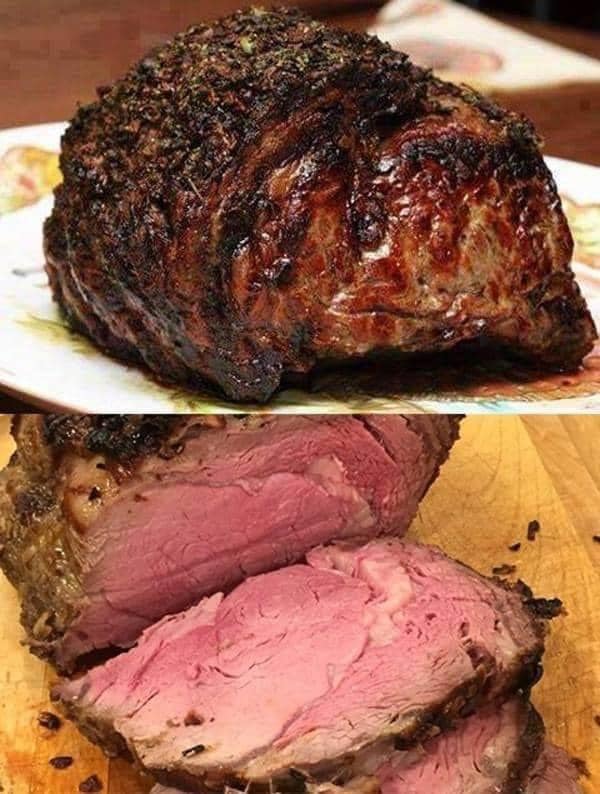
There’s something truly magical about a beautifully roasted prime rib. It’s a dish that commands attention, a stunning centerpiece perfect for any holiday feast or special gathering. While it might look intimidating, I promise you that with a few simple techniques and a little patience, you can achieve a perfectly cooked, incredibly flavorful roast with that coveted rosy pink center and a gorgeous, savory crust.
The first time my husband, Mark, and I attempted a prime rib, it was for our very first Christmas dinner hosting both our families. The pressure was on! We’d always relied on caterers or my mother’s legendary cooking for such occasions. We followed a recipe carefully, bought a good meat thermometer, and held our breath when it came out of the oven. After a crucial rest, Mark carved it, and the slices revealed the most exquisite medium-rare, edge-to-edge pink, with a succulent, juicy texture. Our families were absolutely raving, and from that moment on, it became our signature holiday dish, a testament that even the most impressive meals can be made right in your own kitchen with love and confidence.
You may also like:
Why You’ll Love This perfect-prime-rib-everytime-the-best-ever
You’ll adore “The Best Ever Prime Rib Roast” because it truly delivers an impressive, show-stopping meal that’s simpler to achieve than you might think. Its rich, beefy flavor and incredibly tender, juicy texture are unparalleled, making every bite a luxurious experience. This recipe consistently yields that perfect rosy-pink interior and a wonderfully crisp, seasoned crust that will have everyone asking for your secret. It’s an ideal choice for special occasions, offering a festive and memorable centerpiece without the stress, and the leftovers are absolutely divine.
Behind the Recipe
Over the years, making prime rib has taught me so much about the beauty of simple ingredients and precise technique. The biggest lesson? Don’t rush it. Letting the roast come to room temperature before cooking is key for even doneness, and resting it afterward is absolutely non-negotiable for juicy results. What trips people up most often is not using a reliable meat thermometer; it truly is your best friend here, taking all the guesswork out. My little secret for elevating it further is a generous, flavorful rub applied a day or two in advance, allowing those herbs and salt to really penetrate and season the meat deeply. And for that perfect crust? A final blast of high heat after a low, slow roast is a game-changer.
Shopping Tips
- Protein: Choose a well-marbled prime rib roast, either bone-in for extra flavor and impressive presentation or boneless for easier carving. Ask your butcher to tie it for you if it’s boneless or if you’re concerned about uneven cooking.
- Aromatics: Opt for fresh garlic and sturdy, woody herbs like rosemary and thyme. Their robust flavors hold up well to the long cooking time and perfectly complement the rich beef.
- Fats & Oils: Select a high smoke point oil, such as grapeseed or avocado oil, for the initial sear (if you’re searing first) or for the final high-heat blast to ensure a beautiful crust without burning.
- Seasoning: Invest in good quality coarse kosher salt and freshly cracked black pepper. Their texture and flavor are crucial for developing that incredible, savory crust.
- Equipment: A reliable instant-read meat thermometer is an absolute must-have. It’s the only way to ensure your prime rib is cooked to your desired doneness without overcooking.
Prep Ahead Ideas
You can season your prime rib roast up to 24-48 hours in advance, which deepens the flavor wonderfully. Simply rub it generously with your chosen herbs, garlic, salt, and pepper, then loosely cover it and refrigerate. Take it out of the fridge at least 3-4 hours before cooking to allow it to come to room temperature for more even results. You can also prepare any compound butter or au jus components a day ahead.
Time-Saving Tricks
While prime rib does require patience, you can save a little time by skipping the initial searing step if you’re doing a reverse sear (low then high heat), as the high heat finish will still give you a great crust. Opt for pre-minced garlic (though I prefer fresh for this) if you’re really pressed, but ensure your roast is at room temperature to reduce overall cooking time. Having your sides prepped and ready to go into the oven as the roast rests is another smart move.
Common Mistakes
The most common mistake is pulling the roast out too early or too late because you’re not using a meat thermometer – trust the temperature, not the clock! Another big one is not allowing it to rest long enough; impatient carving will result in all those precious juices running out, leaving you with dry meat. Also, don’t skimp on the seasoning; prime rib can handle a generous amount. Lastly, not bringing the roast to room temperature can lead to uneven cooking, where the outside is done but the center is still too raw.
What to Serve It With
Tips & Mistakes
Storage Tips
Store in airtight containers in the fridge. It reheats beautifully, but if you sneak a bite cold straight from the container, it still works.
Variations and Substitutions
While the classic herb and garlic crust is truly divine, don’t hesitate to experiment with different herb blends; a touch of dried thyme or sage can add lovely complexity. For a bolder flavor, you could incorporate a little horseradish into a compound butter to rub over the roast. However, for a dish as inherently magnificent as prime rib, I always recommend sticking close to the classic preparation to let the quality of the beef truly shine. Sometimes, simple perfection is the best substitution for elaborate twists.
Frequently Asked Questions
Perfect Prime Rib Everytime (The Best Ever)
Ingredients
Main Ingredients
- 6.5 lb prime rib roast (bone-in, ribeye roast) trim excess fat if desired, bring to room temperature for 1 hour before cooking
- 3 tbsp kosher salt
- 2 tbsp freshly ground black pepper
- 6 clove garlic minced
- 2 tbsp fresh rosemary finely chopped
- 1 tbsp fresh thyme leaves only, chopped
- 2 tbsp olive oil
- 4 tbsp unsalted butter softened
- 1 cup beef broth for au jus
- 0.5 cup dry red wine optional, for au jus
- 2 whole shallots finely chopped for au jus
Instructions
Preparation Steps
- Remove the prime rib from the refrigerator at least 1 hour before cooking to bring it to room temperature. Pat the roast dry with paper towels.
- Preheat your oven to 450°F (232°C). Place a rack in a roasting pan.
- In a small bowl, combine kosher salt, black pepper, minced garlic, chopped rosemary, chopped thyme, olive oil, and softened butter to form a paste.
- Rub the herb-butter paste all over the roast, covering the top and sides. Place the roast bone-side down (fat side up) on the rack in the roasting pan.
- Roast at 450°F (232°C) for 15 minutes to develop a crust, then reduce the oven temperature to 325°F (163°C) and continue roasting until the internal temperature reaches 120°F (49°C) for rare or 130°F (54°C) for medium-rare, approximately 12-15 minutes per pound after the initial sear.
- Remove the roast from the oven and transfer to a cutting board. Tent loosely with foil and let rest for 20-30 minutes; the internal temperature will rise 5-10°F during resting.
- While the roast rests, make the au jus. Place the roasting pan on the stovetop over medium heat, add chopped shallots and cook 2 minutes until softened.
- Deglaze the pan with red wine, scraping up browned bits, then add beef broth and simmer until slightly reduced, about 5 minutes. Strain the jus into a small saucepan, taste and season with salt and pepper as needed.
- Slice the prime rib against the grain into 1/2-inch to 1-inch thick slices and serve immediately with the warm au jus.
- Optional: Serve with horseradish sauce, roasted vegetables, or mashed potatoes for a complete meal.
Notes
Nutrition
Featured Comments
“Impressed! Clear steps and will make again results. Perfect for busy nights.”
“This sweet treat recipe was turned out amazing — the light really stands out. Thanks!”