OLD FASHIONED COCONUT CREAM PIE
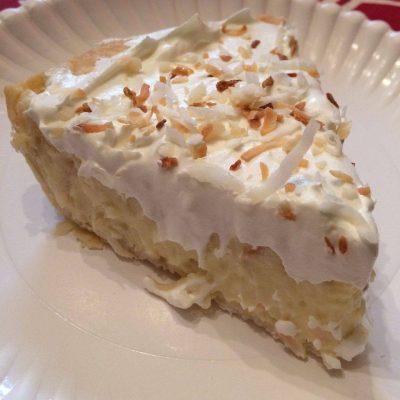
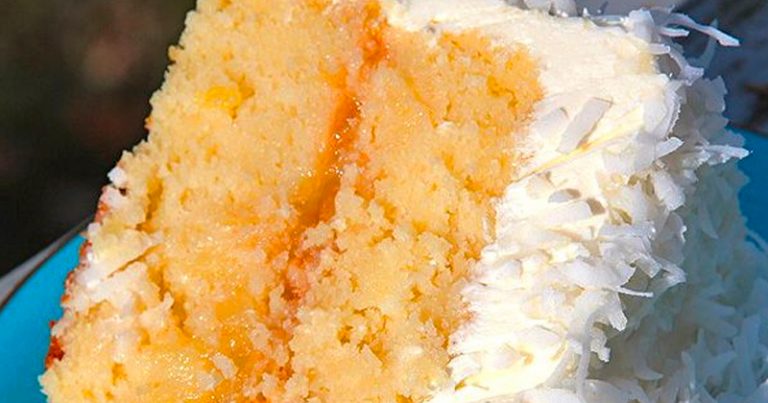
There’s something inherently comforting and celebratory about an old-fashioned coconut cream pie. It’s that dessert you remember from family gatherings, the one with the impossibly silky custard, the delicate shredded coconut, and that cloud of fluffy whipped cream on top, all nestled in a buttery, flaky crust. This isn’t just a dessert; it’s a slice of pure, unadulterated happiness that transports you straight to a simpler time, a perfect blend of tropical sweetness and rich creaminess that’s surprisingly easy to achieve at home.
My husband, Mark, is a man of simple pleasures, but when it comes to dessert, he has a very specific soft spot for coconut cream pie. It all started when his grandmother would make it for his birthday every year. The first time I tried to recreate it for him, I was nervous, but his face lit up like a Christmas tree. Since then, it’s become our special occasion staple, a tradition we both cherish. I love watching him take that first bite, eyes closed in pure bliss, and it reminds me that some recipes are more than just food; they’re woven into the fabric of our lives and memories.
You may also like:
Why You’ll Love This old-fashioned-coconut-cream-pie-coconut
- It offers an unparalleled, luxurious creaminess that melts in your mouth, thanks to a perfectly cooked coconut custard.
- The delicate balance of sweet, rich coconut flavor against a crisp, buttery pie crust is truly addictive.
- Despite its impressive appearance, this recipe is quite approachable for home bakers and makes for a fantastic make-ahead dessert.
- It’s a wonderful, nostalgic treat that brings a touch of old-fashioned comfort to any meal or gathering.
- The versatility means you can easily adjust the sweetness or add a sprinkle of toasted coconut for extra texture and visual appeal.
Behind the Recipe
Crafting a truly spectacular coconut cream pie is all about patience and paying attention to a few key details. I’ve learned that tempering the egg yolks is non-negotiable; it’s the secret to a smooth, lump-free custard. Rushing this step or cooking the custard too quickly can lead to a scrambled texture, which we definitely want to avoid. Another small touch that makes a world of difference is using good quality coconut, whether it’s unsweetened shredded for the filling to control the sweetness, or lightly toasted flakes for a beautiful garnish. And finally, the pie needs ample time to chill. Don’t rush it! That prolonged cooling period allows the custard to set perfectly, resulting in those clean, beautiful slices everyone craves.
Shopping Tips
- Coconut: Look for unsweetened shredded or flaked coconut for the filling; this gives you better control over the pie’s overall sweetness. If you want an extra flourish, sweetened shredded coconut is great for toasting and sprinkling on top.
- Dairy: Opt for whole milk and heavy cream for the richest, most decadent custard possible. Fresh, large eggs are also essential for the custard’s structure and flavor.
- Pie Crust: A good quality all-butter pie crust, whether homemade or a reliable store-bought option, makes a significant difference. Avoid pre-made crusts that might have a greasy texture.
- Vanilla Extract: Pure vanilla extract, rather than imitation, will provide a much deeper and more authentic flavor profile for your creamy custard. A good quality extract truly elevates the final taste.
- Thickener: Cornstarch is my preferred thickener for a silky, clear custard, but all-purpose flour can also be used if that’s what you have on hand. Ensure it’s fresh for optimal thickening power.
Prep Ahead Ideas
You can bake and cool your pie crust up to two days in advance, storing it loosely covered at room temperature. The coconut custard filling can also be made a day ahead and chilled thoroughly in the refrigerator, ready to be poured into your cooled crust. Just wait to whip the cream and assemble the final pie until a few hours before you plan to serve it for the freshest result.
Time-Saving Tricks
Using a good quality store-bought pie crust, either a refrigerated rolled dough or a frozen shell, can significantly cut down on prep time without sacrificing much quality. If you’re short on time, using pre-shredded coconut is a no-brainer. Also, while not a “shortcut,” making the custard in a double boiler can prevent scorching and allow you to step away for a moment without constant stirring.
Common Mistakes
One of the most common pitfalls is not properly tempering the egg yolks for the custard, which can lead to a lumpy or curdled texture. Another frequent issue is not cooking the custard long enough; it needs to reach a visible simmer and be thick enough to coat the back of a spoon to ensure it sets properly. Lastly, a soggy crust often results from not blind-baking it thoroughly or filling it with warm custard, so ensure both the crust and the filling are completely cooled.
What to Serve It With
This pie is truly a stand-alone star. It’s rich, creamy, and wonderfully satisfying on its own, perhaps with a simple cup of coffee or a light herbal tea to complement its sweetness.
Tips & Mistakes
Always ensure all your custard ingredients, especially the dairy and eggs, are at room temperature before you begin mixing to encourage a smooth emulsion. Don’t be afraid to strain your finished custard through a fine-mesh sieve before chilling if you’re concerned about any small lumps. And please, resist the urge to cut into the pie before it’s had ample time to chill – usually at least 4-6 hours, or preferably overnight – as this is crucial for the custard to fully set. Toasting some extra coconut flakes for a garnish adds both flavor and a lovely visual appeal.
Storage Tips
Store in airtight containers in the fridge. It reheats beautifully, but if you sneak a bite cold straight from the container, it still works.
Variations and Substitutions
For a quick, no-bake option, you could use a press-in graham cracker or shortbread crust. While classic whipped cream is hard to beat, a fluffy meringue topping, lightly browned, offers a delightful alternative texture. If you want to enhance the tropical notes, a splash of coconut liqueur or even a hint of rum in the custard can be wonderful, but the classic version remains pure bliss. For a different crunch, consider finely chopped and toasted macadamia nuts sprinkled over the top alongside the coconut.
Frequently Asked Questions

OLD FASHIONED COCONUT CREAM PIE
Ingredients
Main Ingredients
- 1 each store-bought or homemade unbaked pie crust (9-inch) pre-baked and cooled
- 1.5 cups sweetened flaked coconut divided, 1 cup toasted for filling, 0.5 cup reserved for garnish
- 1 cup whole milk
- 1 cup heavy cream for custard
- 1.5 cups heavy whipping cream for whipped topping
- 0.75 cup granulated sugar
- 0.25 cup cornstarch for thickening
- 0.25 teaspoon salt
- 3 large egg yolks lightly beaten
- 2 tablespoons unsalted butter cut into pieces
- 1 teaspoon vanilla extract
- 0.5 teaspoon coconut extract optional, intensifies coconut flavor
- 2 tablespoons powdered sugar for whipped cream
- 0.25 cup toasted shredded coconut for garnish
Instructions
Preparation Steps
- Preheat the oven to 350°F (175°C). If using a store-bought crust that needs blind baking, line the crust with parchment and pie weights and bake for 12–15 minutes until set and lightly golden. Cool completely.
- Toast 1 cup of the shredded coconut in a dry skillet over medium heat, stirring frequently, until golden and fragrant, about 3–5 minutes. Transfer to a bowl to cool.
- In a medium saucepan, whisk together the sugar, cornstarch, and salt. Gradually whisk in the whole milk and 1 cup heavy cream until smooth.
- Place the saucepan over medium heat and cook, stirring constantly, until the mixture begins to thicken and comes to a gentle boil, about 6–8 minutes.
- Temper the egg yolks by whisking a small amount of the hot milk mixture into the yolks, then slowly whisk the yolks back into the saucepan. Cook for 1–2 more minutes, stirring, until very thick.
- Remove the saucepan from the heat and stir in the butter, vanilla extract, coconut extract (if using), and the toasted coconut. Mix until the butter is melted and the coconut is evenly distributed.
- Pour the warm coconut custard into the cooled pie crust. Smooth the top with a spatula, cover the surface with plastic wrap to prevent a skin, and refrigerate until completely chilled and set, at least 3 hours.
- Before serving, whip 1.5 cups heavy whipping cream with 2 tablespoons powdered sugar until soft peaks form. Spread or pipe the whipped cream over the chilled pie and sprinkle with the reserved toasted coconut.
- Slice and serve chilled. Store leftovers covered in the refrigerator for up to 3 days.
Notes
Nutrition
Featured Comments
“Super easy and absolutely loved! My family asked for seconds. Saving this one.”
“This creamy recipe was family favorite — the sweet treat really stands out. Thanks!”