Butterscotch Cake with Caramel Icing
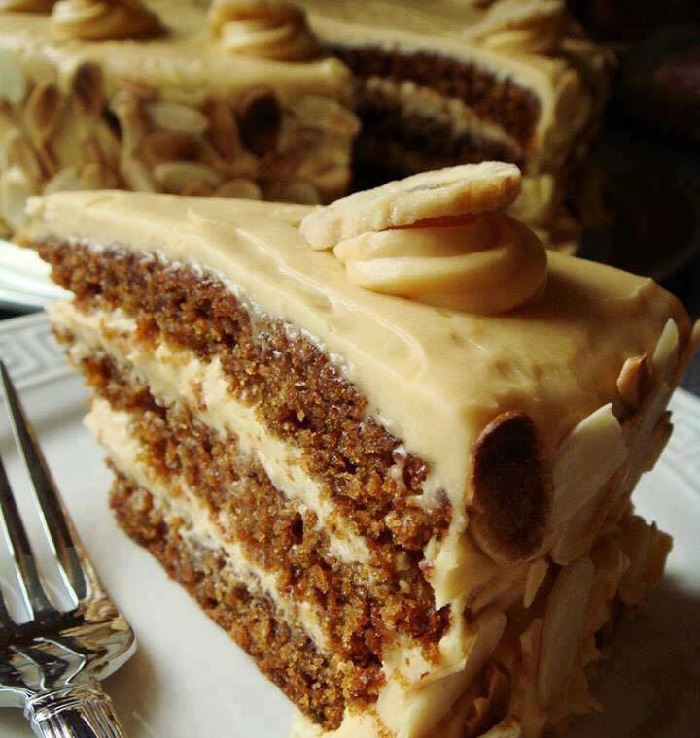
There’s a certain magic to butterscotch, isn’t there? That deep, caramelized sweetness, rich with butter and a hint of something utterly comforting. This particular butterscotch cake is less about fussy decoration and more about delivering pure, unadulterated flavor. It’s a moist, tender cake infused with that classic butterscotch goodness, often topped with a velvety butterscotch buttercream or a simple, glistening glaze. It’s the kind of dessert that feels both nostalgic and incredibly elegant, making it perfect for special occasions or simply elevating an ordinary weeknight into something extraordinary. Trust me, once you try this, you’ll understand why it quickly becomes a beloved favorite.
My husband, bless his sweet tooth, is a true connoisseur of all things caramel and butterscotch. For years, I’d try different recipes, always chasing that perfect balance of rich sweetness without being cloying. Then, one autumn evening, I decided to tackle a new butterscotch cake recipe, hoping to surprise him after a particularly long week. The scent of brown sugar and melting butter filling the kitchen was intoxicating, and when I finally presented the finished cake, his eyes lit up like a kid on Christmas morning. One bite, and he declared it “the one.” Since then, it’s become his official birthday cake request, a staple for holiday gatherings, and the dessert he always asks for when he needs a little extra comfort. It’s a taste of pure joy in our home.
You may also like:
Why You’ll Love This i-found-this-butterscotch-cake-in-a-collection
This cake delivers an incredibly rich, deep butterscotch flavor that is both sophisticated and deeply comforting, reminiscent of your favorite old-fashioned candies.
Despite its impressive appearance, the steps are straightforward and achievable, making it a fantastic project for bakers of all skill levels.
The cake itself is wonderfully moist and tender, perfectly balanced by a luxurious butterscotch frosting or glaze that truly enhances every bite.
It’s incredibly versatile, feeling right at home at an elegant dinner party, a casual family gathering, or as a cozy treat with a cup of coffee.
Made with pantry staples, this recipe uses accessible ingredients that come together to create something truly spectacular without any fuss.
It evokes a wonderful sense of nostalgia for classic dessert flavors, offering a warm and familiar hug with every slice.
Behind the Recipe
The heart of a great butterscotch cake, for me, lies in the quality of the butterscotch flavor itself. You want that deep, almost toasted brown sugar note, mellowed by good butter and sometimes a touch of cream. A common pitfall is rushing the butterscotch sauce or not cooking it quite enough, which can leave the flavor feeling a bit flat. Patience here really pays off; let it simmer and deepen. Another key learning for me has been about not overmixing the cake batter. Overworking the gluten can lead to a dense, tough cake, and we’re aiming for light and tender here. Finally, don’t underestimate the power of a good quality vanilla extract; it elevates the butterscotch beautifully.
Shopping Tips
- Brown Sugar: Use a good quality light or dark brown sugar, as it’s the star of the show. Dark brown sugar will give a deeper, more molasses-like butterscotch flavor, while light will be milder.
- Unsalted Butter: Always opt for unsalted butter in baking so you can control the salt content. Make sure it’s fresh and at room temperature when called for in the recipe.
- Heavy Cream: Essential for a rich, smooth butterscotch sauce and frosting. Look for full-fat heavy cream (36% milk fat or higher) for the best results.
- All-Purpose Flour: A standard all-purpose flour works perfectly here. Ensure it hasn’t been sitting in your pantry for ages, as stale flour can affect the cake’s texture.
- Vanilla Extract: Use pure vanilla extract, not imitation. A good quality vanilla makes a noticeable difference, enhancing the butterscotch notes without overpowering them.
- Eggs: Fresh, large eggs are ideal for structure and moisture. Let them come to room temperature before mixing, as they emulsify better with other ingredients.
Prep Ahead Ideas
You can make the butterscotch sauce for the cake or frosting a day or two in advance and store it in an airtight container in the fridge. Gently reheat it over low heat or in the microwave before using.
Measure out all your dry ingredients (flour, baking powder, baking soda, salt) into a bowl the day before, whisk them together, and cover them tightly.
Prepare your cake pans by greasing and flouring them (or lining with parchment) ahead of time, so they are ready to go when your batter is mixed.
Time-Saving Tricks
If you’re short on time, use a stand mixer with the paddle attachment; it makes whipping up both the cake batter and the buttercream incredibly efficient.
Instead of a full buttercream, consider a simple butterscotch glaze by thinning some of the butterscotch sauce with a touch of powdered sugar and milk.
Have all your ingredients measured and prepped (mise en place) before you start mixing; this streamlines the process and helps prevent errors.
Common Mistakes
One common mistake is overmixing the cake batter once the flour is added; this can develop too much gluten, leading to a tough, dense cake. Mix only until just combined.
Overbaking is another pitfall, which can result in a dry cake. Start checking for doneness a few minutes before the minimum bake time, looking for a clean toothpick and springy top.
When making butterscotch sauce, sometimes it can crystallize or separate. Ensure your sugar is fully dissolved before boiling, and avoid stirring vigorously once it’s boiling.
Not cooling the cake layers completely before frosting them will lead to a melty, sliding mess. Patience is key; wait until they are cool to the touch.
What to Serve It With
This decadent butterscotch cake is exquisite on its own, but it pairs beautifully with a hot cup of coffee, a robust black tea, or even a glass of cold milk. For an extra special touch, a scoop of vanilla bean ice cream or a dollop of freshly whipped cream makes an irresistible accompaniment.
Tips & Mistakes
Storage Tips
Store in airtight containers in the fridge. It reheats beautifully, but if you sneak a bite cold straight from the container, it still works.
Variations and Substitutions
For a nutty crunch, fold in a cup of toasted pecans or walnuts into the cake batter before baking. They complement the butterscotch flavor wonderfully.
If you’d like a hint of spice, a pinch of cinnamon or nutmeg can be added to the dry ingredients, enhancing the warmth of the butterscotch.
While butterscotch buttercream is classic, a cream cheese frosting with a touch of butterscotch sauce swirled in offers a delightful tangy counterpoint.
For a dairy-free version, you can often substitute plant-based milks and butters, though the richness might be slightly altered, making the classic version worth keeping for its full flavor.
Frequently Asked Questions
Butterscotch Cake with Caramel Icing
Ingredients
Main Ingredients
- 2.5 cup all-purpose flour
- 2 teaspoon baking powder
- 0.5 teaspoon baking soda
- 1 teaspoon salt
- 0.75 cup unsalted butter softened
- 2 cup light brown sugar packed
- 0.5 cup granulated sugar
- 2 count large eggs
- 1 cup buttermilk room temperature
- 2 teaspoon vanilla extract
- 1 cup butterscotch chips
- 0.5 cup unsalted butter (for icing) cut into pieces
- 1 cup light brown sugar (for icing) packed
- 0.5 cup heavy cream (for icing) warm
- 1 teaspoon vanilla extract (for icing)
- 0.25 teaspoon salt (for icing)
Instructions
Preparation Steps
- Preheat the oven to 350°F (175°C). Grease and flour a 9x13-inch baking pan or line with parchment.
- In a medium bowl whisk together the all-purpose flour, baking powder, baking soda, and salt; set aside.
- In the bowl of a stand mixer, cream the softened unsalted butter with light brown sugar and granulated sugar on medium speed until light and fluffy, about 3 to 4 minutes.
- Add the eggs one at a time, beating well after each addition, then mix in the vanilla extract.
- With the mixer on low, alternately add the dry ingredients and buttermilk in three additions, beginning and ending with the dry ingredients. Mix until just combined; do not overmix.
- Fold in the butterscotch chips by hand until evenly distributed through the batter.
- Spread the batter evenly into the prepared pan and bake for 30 to 35 minutes, or until a toothpick inserted into the center comes out with a few moist crumbs.
- While the cake bakes, make the caramel icing: combine 0.5 cup unsalted butter and 1.0 cup light brown sugar in a small saucepan over medium heat. Stir until the butter melts and the sugar dissolves.
- Carefully whisk in the warm heavy cream. Bring to a gentle simmer and cook for 2 to 3 minutes, stirring constantly, then remove from heat and stir in vanilla and 0.25 teaspoon salt. Allow the icing to cool slightly so it thickens.
- When the cake is done, let it cool in the pan for 10 minutes, then prick the top lightly with a skewer and pour the warm caramel icing over the cake so it absorbs into the crumb. Cool completely before slicing.
Notes
Nutrition
Featured Comments
“This sweet treat recipe was so flavorful — the creamy really stands out. Thanks!”
“Impressed! Clear steps and family favorite results. Perfect for busy nights.”