Authentic Amish Refrigerator Pickles – Easy to make and great tasting!
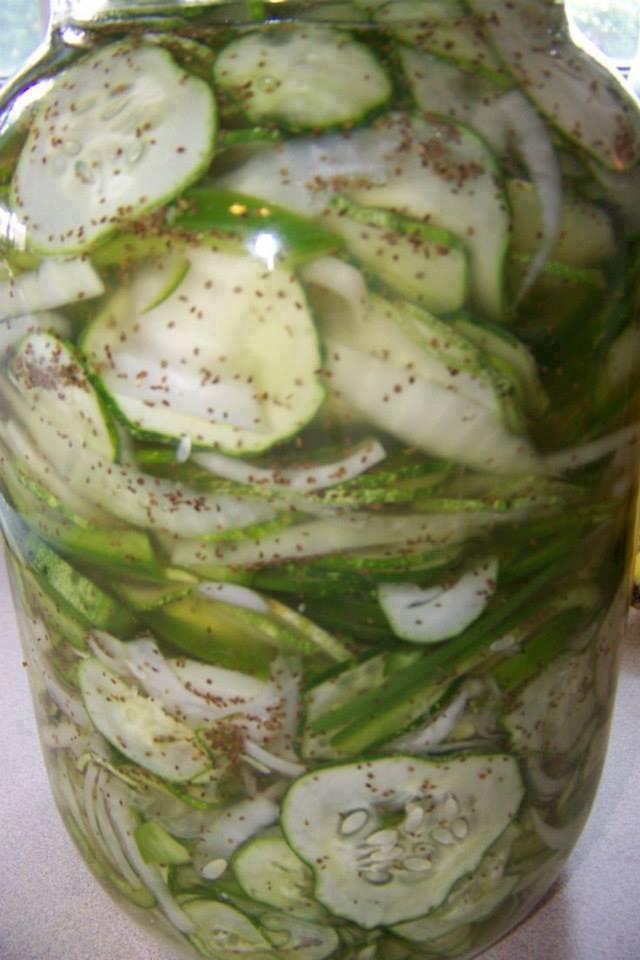
There’s something truly magical about a jar of homemade pickles. The crisp bite, the perfect balance of sweet and tangy, the way they elevate even the simplest meal—it’s an experience that store-bought just can’t quite replicate. These Amish refrigerator pickles are precisely that kind of magic, offering all the vibrant flavor and satisfying crunch of a classic pickle without the fuss and specialized equipment of traditional canning. They come together quickly, using common ingredients, and deliver an utterly refreshing, sweet-and-sour punch that brightens up everything from backyard barbecues to weeknight sandwiches.
My husband, bless his heart, used to be notorious for sneaking expensive gourmet pickles into our shopping cart. We’re talking artisan, small-batch, farmers’ market pickles that cost an arm and a leg for a tiny jar. One summer, after picking a ridiculous amount of cucumbers from our garden, I decided to try my hand at making my own refrigerator pickles. I found a recipe that promised that signature sweet-and-sour crunch, and the rest, as they say, is history. The first time he crunched into one of my homemade pickles, his eyes lit up. He actually paused mid-sentence and just savored it, then declared them better than any he’d ever bought. Now, a jar of these is a permanent fixture in our fridge, and it’s always the first thing he reaches for when packing his lunch or grilling burgers. It’s a little homemade touch that makes our meals, and our home, feel just a bit more special.
You may also like:
Why You’ll Love This authentic-amish-refrigerator-pickles-easy-to-make-and-great-tasting
- They’re incredibly easy to make, requiring no specialized canning equipment or complex processing, making them perfect for beginners.
- The crisp texture and delightful sweet-and-sour flavor profile are utterly addictive, providing a bright counterpoint to rich dishes.
- This recipe is a fantastic way to preserve an abundance of summer cucumbers, turning fresh garden produce into a pantry staple.
- Unlike traditional canned pickles, these refrigerator pickles are ready to enjoy in just a few days, so instant gratification is practically guaranteed.
- They are wonderfully versatile, complementing everything from burgers and sandwiches to charcuterie boards and just eaten straight from the jar.
- You have complete control over the ingredients, allowing you to tweak the sweetness, spice, and tang to perfectly suit your family’s preferences.
Behind the Recipe
Through years of making these refrigerator pickles, I’ve learned that the quality of your cucumbers truly makes all the difference. You want firm, fresh pickling cucumbers—Kirby cucumbers are excellent—not the larger, seedier slicing varieties. The slicing itself also plays a role; consistency in thickness helps ensure an even pickle. While it’s easy to rush, allowing the hot brine to really dissolve the sugar and then fully cool before pouring it over the cucumbers is key for that beautiful clear liquid and optimal flavor absorption. And the spices? Don’t be shy. A good mix of mustard seeds, dill seeds, and a hint of turmeric for color and earthy warmth really elevates the classic Amish flavor. What trips people up most is impatience; these pickles need at least 24-48 hours in the fridge to truly develop their flavor and crispness. Trust the process, and you’ll be rewarded with fantastic results.
Shopping Tips
- Cucumbers: Look for firm, blemish-free pickling cucumbers like Kirby or Persian varieties. Avoid any with soft spots or yellowing, as they won’t yield crisp pickles.
- Vinegar: White distilled vinegar is classic for its clean, sharp tang, but apple cider vinegar can be used for a slightly milder, fruitier undertone. Ensure it’s at least 5% acidity for proper preservation.
- Sugar: Granulated white sugar is typically used to achieve the signature sweet balance of Amish pickles. You can adjust the amount slightly to your taste, but don’t omit it entirely.
- Pickling Salt: Opt for pure pickling salt, which is free of anti-caking agents and iodine that can cause cloudiness or discolor your brine. Regular table salt is not a suitable substitute here.
- Onions: Sweet onions like Vidalia or Walla Walla work beautifully, adding a delicate sweetness that complements the pickles. Choose firm, dry onions without sprouts.
- Spices: Good quality whole spices such as mustard seeds, dill seeds, and celery seeds are essential. Freshly bought spices will provide the most vibrant flavor.
Prep Ahead Ideas
Slice your cucumbers and onions a day in advance and store them separately in airtight containers in the refrigerator. You can also measure out all your dry spices and salt into a small bowl, ready to add to the brine.
Time-Saving Tricks
Using a mandoline slicer will make quick work of uniformly slicing your cucumbers and onions, saving you a significant amount of time. While the brine is heating on the stove, use that time efficiently to slice your vegetables and sterilize your jars.
Common Mistakes
One common mistake is using cucumbers that aren’t fresh or are too large, resulting in limp or seedy pickles. Always choose small, firm pickling cucumbers. Another pitfall is not allowing enough time for the pickles to chill in the refrigerator; they need at least 24-48 hours to fully absorb the brine and develop their characteristic crispness and flavor. Lastly, using regular iodized table salt instead of pickling salt can lead to a cloudy brine and an off-flavor, so be sure to use the correct type of salt.
What to Serve It With
These Amish refrigerator pickles are incredibly versatile! They are a dream come true alongside classic backyard barbecue fare like grilled burgers, hot dogs, pulled pork sandwiches, or grilled chicken. They cut through the richness of hearty dishes and add a welcome tang to deli sandwiches or wraps. For a lighter touch, they’re fantastic on a charcuterie board, adding a briny, sweet counterpoint to cheeses and cured meats, or simply enjoyed straight from the jar as a refreshing snack.
Tips & Mistakes
To ensure the best texture, always choose the freshest, firmest pickling cucumbers you can find. For optimal flavor development, make sure your brine is completely cooled before pouring it over the vegetables in the jars; this helps maintain the crispness. Resist the urge to open the jars too soon; patience is truly a virtue here, as the flavors meld and deepen with time in the fridge.
Storage Tips
Store in airtight containers in the fridge. It reheats beautifully, but if you sneak a bite cold straight from the container, it still works. These pickles will keep well in the refrigerator for up to 2-3 weeks, and often even longer, as long as they remain submerged in the brine. The flavor will actually continue to improve over the first few days.
Variations and Substitutions
While the classic sweet-and-sour profile of Amish refrigerator pickles is truly worth preserving, you can certainly play with the spices. Add a few red pepper flakes for a touch of heat, or a bay leaf for a subtle aromatic note. You could also include a few slices of fresh garlic or a sprig of fresh dill for another layer of flavor. For the vegetables, consider adding thin slices of bell peppers or carrots for extra color and crunch, though cucumbers should remain the star. If you prefer a less sweet pickle, you can slightly reduce the sugar, but be aware it will alter the traditional balance. For the crispiest pickles, some people add a grape leaf to each jar, as the tannins are said to help maintain firmness.
Frequently Asked Questions
Authentic Amish Refrigerator Pickles – Easy to make and great tasting!
Ingredients
Main Ingredients
- 4 lb Kirby or pickling cucumbers Washed and sliced into spears or rounds
- 2 cup white distilled vinegar
- 2 cup water
- 0.5 cup granulated sugar Adjust to taste for sweeter or tarter pickles
- 2 tbsp pickling salt or kosher salt Do not use iodized table salt
- 0.5 cup fresh dill sprigs Stems ok
- 4 clove garlic Crushed or halved
- 1 tbsp mustard seeds
- 1 tsp celery seeds
- 1 small onion Thinly sliced (optional)
Instructions
Preparation Steps
- Wash cucumbers thoroughly and slice into spears or rounds to your preference. Trim ends if desired.
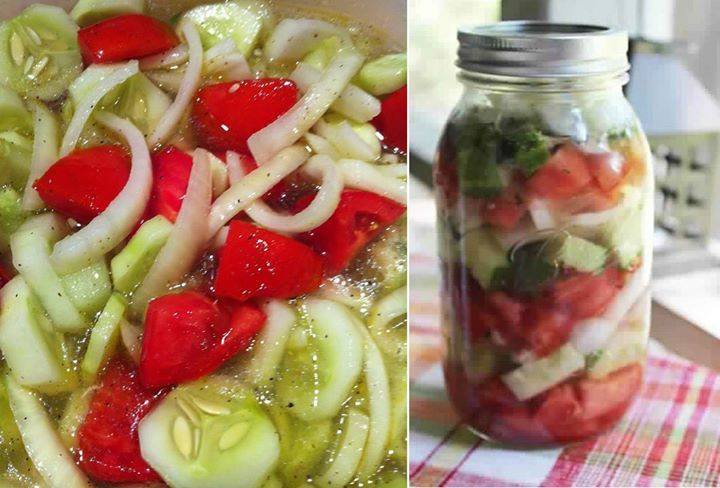
- Sterilize or wash 1-quart jars and lids. Pack each jar tightly with sliced cucumbers, a few sprigs of fresh dill, a clove or two of garlic, and a few slices of onion if using.
- In a medium saucepan, combine vinegar, water, sugar, and pickling salt. Add mustard seeds and celery seeds. Bring the mixture to a gentle boil, stirring until the sugar and salt dissolve.
- Carefully pour the hot brine over the packed cucumbers in each jar, leaving about 1/2 inch headspace. Tap jars gently to remove air bubbles and ensure cucumbers are submerged.
- Seal jars with lids and let them cool to room temperature. Once cooled, place jars in the refrigerator.
- Allow pickles to develop flavor in the refrigerator for at least 48 hours before eating. They will keep well refrigerated for up to 2 months.
Notes
Nutrition
Featured Comments
“Impressed! Clear steps and absolutely loved results. Perfect for busy nights.”
“This crunchy recipe was so flavorful — the hearty really stands out. Thanks!”